

TL;DR:
- White clay is a natural, durable, and affordable material choice for interior vases.
- Proper care means the vase is not waterproof and should be protected from frost and strong light.
- White clay suits many styles and pairs well with dried plants and natural materials.
Many believe that a beautiful and durable vase must be expensive or require advanced care. This is not true. A simple white clay vase can actually exceed expectations on all fronts: it is natural, timeless, and fits into almost any home. In this article, we explain why white clay is a smart material choice, how to care for your vase properly, how it compares to other materials, and how to match it with your existing decor. You will get concrete tips and a clear understanding of what makes white clay vases one of the most underrated options on the market.
Table of Contents
- Why White Clay? Benefits for Interior Decor
- Durability and Care: What Should You Consider?
- White Clay vs. Other Materials: A Simple Comparison
- How to Match White Clay Vases in Your Home
- A New Perspective: Why White Clay is Underrated
- Explore Durable and Stylish Vases at Torrdecor
- Common Questions about White Clay Vases
Key Insights
| Point | Details |
|---|---|
| Timeless and simple | White clay vases suit most homes and offer a stylish yet flexible expression. |
| Durable material choice | White clay is hard-wearing and eco-friendly for those who want to decorate thoughtfully. |
| Care is important | With simple cleaning and proper use, a white clay vase will last for many years. |
| Not always waterproof | Vases made of air-drying clay require additional treatment if you want to use them for fresh flowers. |
Why White Clay? Benefits for Interior Decor
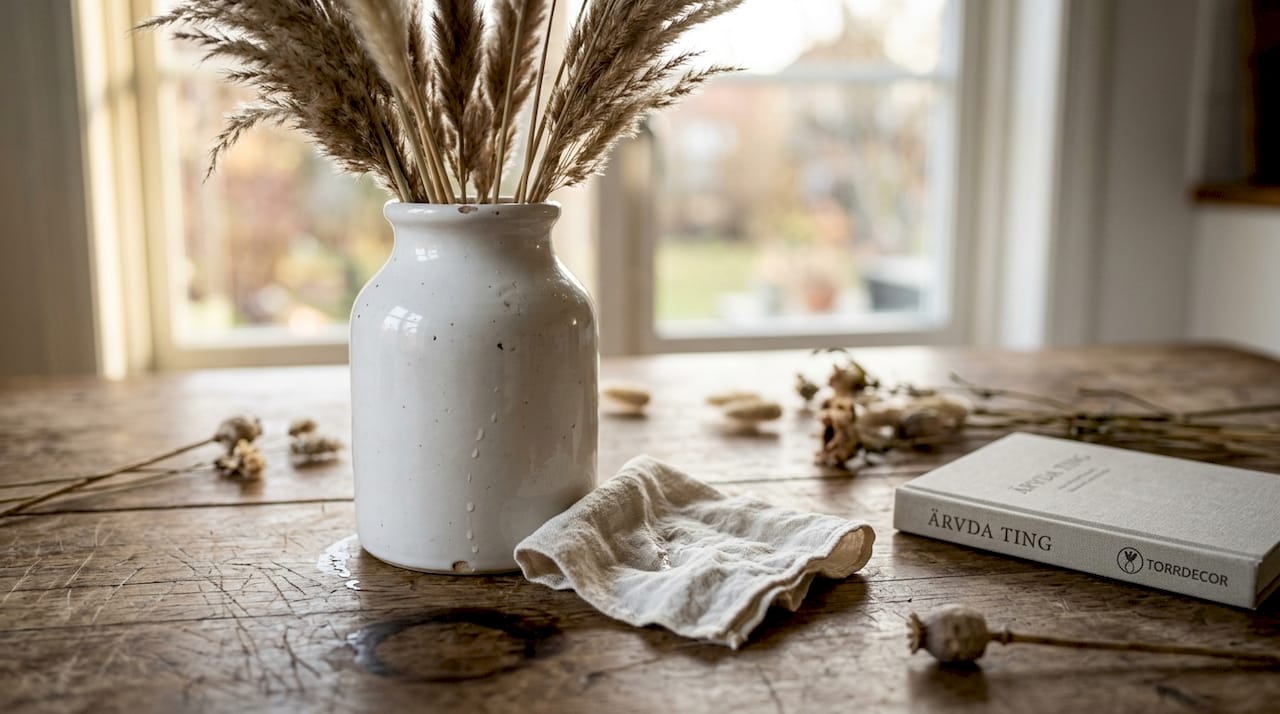
White clay is a material that has been used for thousands of years, and for good reason. It is natural, malleable, and provides a clean and stylish impression that fits into most homes. But it's not just the aesthetics that make it popular.
Firstly, white clay is an ecological material choice. It is extracted from nature without the chemical processes required to manufacture plastic or metal. White clay is durable, has a long lifespan, and is an ecological material, making it a responsible choice for those who want to decorate more sustainably.
Secondly, its white color is extremely versatile. It serves as a neutral base that can be combined with almost anything: dark wood surfaces, colorful textiles, natural materials like rattan or jute. You don't have to worry much about whether the vase fits in, because it almost always does.
White clay vases also fit into several popular interior styles:
- Scandinavian style: The minimalist form and neutral color are perfect for a Nordic home with light walls and natural materials.
- Modern minimalism: A simple cylindrical white clay vase enhances the feeling of order and simplicity.
- Retro and vintage: Rounder clay forms give a warm and handmade impression that suits a more nostalgic home.
- Bohemian style: Combine with dried plants and natural textiles for a relaxed and organic expression.
Another advantage is that ceramic vases last a long time and retain their appearance without yellowing, rusting, or cracking under normal indoor use. This makes them a cost-effective choice in the long run.
“A white clay vase doesn't have to be expensive to be beautiful. It's about form, function, and a material that lasts.”
Practically speaking, white clay vases are also easy to combine with other decorative vases in sustainable decor. You can create a nice grouping of vases in different sizes and shapes without having to worry about matching colors.
Pro tip: Always choose white clay when in doubt about what fits. The timeless color and natural material mean the vase works in most contexts and allows you to change decorations without needing to buy a new vase.
In summary, white clay is a material that combines durability, aesthetics, and simplicity in a way that few other materials can. It is a choice you will rarely regret.
Durability and Care: What Should You Consider?
Once you understand the benefits of white clay, you also need to know how to care for your vase properly. Correct care ensures it lasts a long time and looks good year after year.
The most important thing to know is that air-drying clay is not waterproof without further treatment, and white clay vases are not frost-resistant. This means you should not leave them outdoors during winter, and you should be careful about filling them with water if they are not glazed or treated.
“An air-drying clay vase is a decorative vase, not a flower vase for water, unless it has a waterproof lining.”
Here is a step-by-step list for taking care of your white clay vase in the best way:
- Check if the vase is waterproof. Fill the vase with a little water and let it sit on a dry surface for 30 minutes. If the surface remains dry, the vase is treated and can be used for fresh flowers.
- Use a glass insert for fresh flowers. If the vase is not waterproof, you can place a glass or plastic container inside the vase and fill it with water. This protects the clay.
- Clean regularly. Wipe the surface with a slightly damp cloth. Avoid soaking the vase in water if it is not glazed.
- Place the vase correctly. Keep it indoors on a stable surface, away from direct sunlight for long periods. Sunlight can slightly bleach the surface over time.
- Avoid strong detergents. Use mild soap and lukewarm water if you need to clean more thoroughly. Strong chemicals can damage the finish.
- Store properly during winter. If you want to keep the vase on a balcony during the summer, bring it indoors before frost. Frost can cause cracks in the material.
You can read more about caring for dried flowers to combine the right plants with the right vase. And if you are unsure if your vase can hold water, there is good information about the difference between waterproof vases that will help you choose correctly.
Pro tip: Always test your vase with water before placing fresh flowers. It only takes a few minutes and can save you from a wet tabletop and a damaged vase.
With proper care, a white clay vase is a very durable decor choice that can stay with you for many years.
White Clay vs. Other Materials: A Simple Comparison
After the practical care advice, it's time to put the choice of white clay into perspective against other alternatives. All materials have their strengths and weaknesses, and the right choice depends on what you will use the vase for.
| Material | Durability | Water Resistance | Environmental Impact | Aesthetics | Price |
|---|---|---|---|---|---|
| White clay | High indoors | Requires treatment | Low, natural | Neutral, timeless | Low to medium |
| Ceramic (glazed) | Very high | Yes | Medium | Varied | Medium to high |
| Glass | High | Yes | Medium | Modern, transparent | Medium |
| Metal | Very high | Yes (stainless) | High | Industrial | Medium to high |
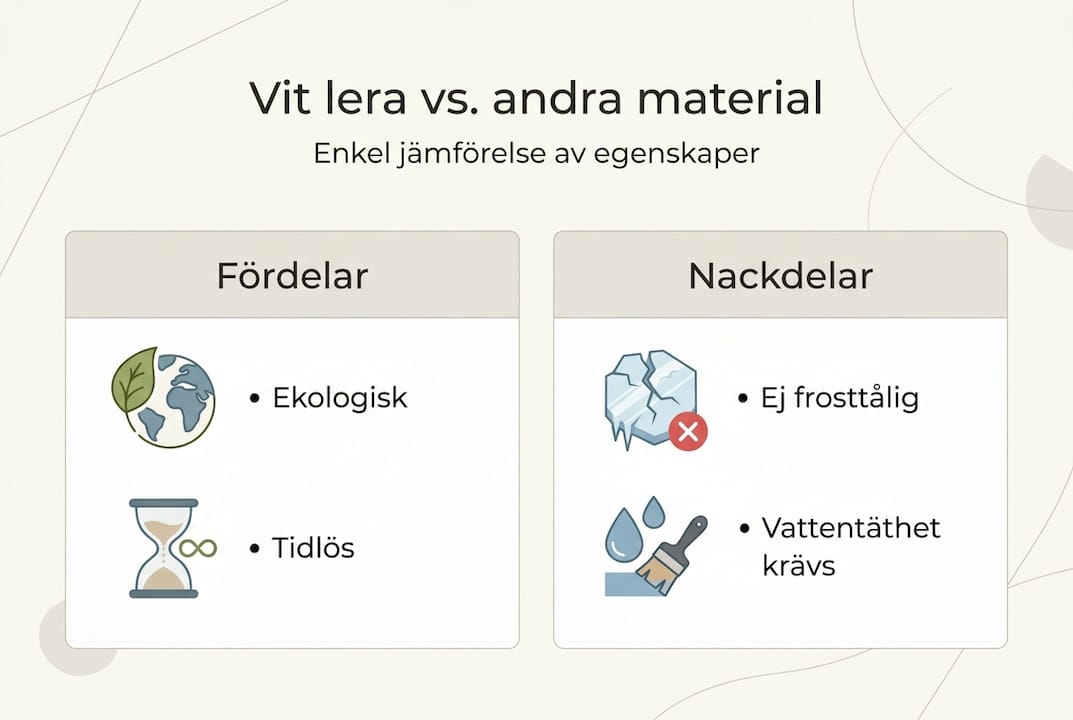
White clay is ecological and durable, but not always frost-resistant compared to some other materials. Glazed ceramic is more resistant to moisture and temperature fluctuations, but its manufacturing requires more energy and chemicals. Glass is waterproof and modern but can feel cold and impersonal in a Scandinavian home. Metal is extremely durable but has a completely different aesthetic feel.
For those who want to use the vase as a decorative item without water, the fact that air-drying clay is not waterproof is something to consider, but it doesn't significantly limit its use if you choose dried plants or artificial flowers.
Here is a quick summary of the pros and cons of white clay compared to alternatives:
Advantages of white clay:
- Natural and ecological material
- Timeless and neutral aesthetic
- Easy to combine with other decor
- Often more affordable than glazed ceramic or metal
- Handmade feel that adds character
Disadvantages of white clay:
- Not frost-resistant
- Requires treatment to be waterproof
- Can be more sensitive to knocks and bumps than metal
If you want to explore more options and find the right shape for your home, there is good information on types of vases that will help you navigate all the alternatives. In summary, white clay is an excellent choice for those who prioritize naturalness, aesthetics, and sustainability for indoor use.
How to Match White Clay Vases in Your Home
Once you know what distinguishes white clay from other materials, the next step is to create a stylish and functional interior. Matching vases with the rest of your home doesn't have to be difficult.
White clay vases fit well with many interior styles and are easy to combine with other sustainable decor. Here is a table with concrete examples of how you can match your white clay vase with different styles and plants:
| Interior Style | Recommended Vase Shape | Plant Choice | Color Complement |
|---|---|---|---|
| Scandinavian | Cylindrical, simple | Pampas grass, eucalyptus | Beige, gray, off-white |
| Bohemian | Round, organic shape | Dried flowers, lavender | Terracotta, ochre, green |
| Modern minimalism | Geometric, smooth | Single twig, dried flower | Black, white, concrete |
| Retro/vintage | Bulbous, handmade feel | Dried roses, wheat | Mustard, brown, copper |
When it comes to color matching, the principle is simple: white acts as a neutral base and can be combined with both warm and cool tones. If you want to create a warm and cozy room, choose accessories in beige, terracotta, and natural brown. If you want a fresh and modern look, combine with gray, black, and green.
Here are some practical tips for creating a focal point with your white clay vase:
- Vary heights. Place vases of different sizes next to each other for a dynamic and interesting impression.
- Mix materials. Combine white clay with wood, rattan, or textiles for a warm and natural feel.
- Use dried plants. Dried plants require no care and look just as beautiful all year round. Pampas grass is a popular choice that looks excellent in a white clay vase.
- Create groupings. Three vases of different sizes on a shelf or table create more visual impact than a single vase.
- Consider the background. A white vase against a light wall can disappear. Against a darker background or a wooden board, it stands out better.
You can find more inspiration on harmony with vases in your decor and read more about how to combine dried plants and decor for a cohesive and sustainable home.
With the right matching, a simple white clay vase can elevate the entire room without requiring major changes.
A New Perspective: Why White Clay is Underrated
There is a tendency in the interior design world to chase the new and trendy. Every season brings new materials, colors, and forms that promise to make a home more modern. White clay often falls into the shadow of these trends, labeled as "too classic" or "too simple."
But it's quite the opposite. What is called classic is often what best withstands the test of time. Trendy materials like concrete, neon plastic, or strongly patterned surfaces look dated after a few years. A well-shaped white clay vase looks just as good today as it did ten years ago, and will do so ten years from now.
We see it clearly in how customer choices change. Those who buy white clay once buy it again because it works. It requires no fuss, it always matches, and it ages with dignity. This is a type of sustainability that extends beyond the material itself.
There is also a growing awareness that sustainable decor is not just about the environment, but about buying things that actually last and don't need to be replaced. Investing in a timeless, unique vase with harmony is a more sustainable choice than following every trend.
White clay is not boring. It is brave to choose something that lasts.
Explore Durable and Stylish Vases at Torrdecor
Now that you've gained inspiration and knowledge about white clay vases, it's easy to take the next step. At Torrdecor, you'll find a carefully selected range of vases made in Portugal, designed to suit modern Swedish homes. Each vase is chosen with a focus on quality, durability, and timeless aesthetics.

Want to create a real eye-catcher? Combine a white clay vase with pampas grass for your vase for a natural and stylish expression that lasts all year without maintenance. Pampas grass and white clay are a combination that works in almost any home and style. Want to know more about us and what we stand for? Read about Torrdecor and see how we work with sustainability and interior design. Welcome to shop easily and eco-friendly.
Common Questions about White Clay Vases
Are white clay vases durable enough for daily use?
With proper care, white clay vases are very hard-wearing and durable, making them excellent for daily indoor use. Place them on stable surfaces and avoid knocks and bumps for the best results.
Can I use a white clay vase for fresh flowers with water?
Only glazed or treated clay vases should be filled with water, as air-drying clay is not waterproof without extra treatment. Use a glass insert if you want fresh flowers in an untreated clay vase.
Can white clay vases be placed outdoors on a balcony or patio?
No, most white clay vases are not frost-resistant and can crack if exposed to freezing temperatures. Always bring the vase indoors before winter to avoid damage.
How do I clean my white clay vase most easily?
Wipe the surface with a lightly dampened cloth or gently hand wash with lukewarm water and mild soap. Avoid soaking the vase or using strong detergents that can damage the surface.
Recommendation
- How ceramic vases bring durability and style to your interior – Torrdecor
- Examples of decorative vases for sustainable interiors – Torrdecor
- Types of vases: Find the right shape and style for your room – Torrdecor
- Are ceramic vases waterproof? The difference between a water-resistant vase vs. a decorative vase – Torrdecor
0 comments