

TL;DR:
- Interiors are characterized by a personal, warm, and sustainable style that combines natural materials and long-term color choices. The decor focuses on authenticity, quality, and creating a home that reflects the individual rather than following a specific trend.
- Modern trends include tactile textiles, earthy colors, and incorporating vintage and crafts to create unique and warm environments.
Trendy home decor in 2026 is defined as a personal, warm, and sustainable interior design style that combines vibrant expressions with natural materials and long-term choices. The style clearly moves away from stripped-down minimalism towards a more expressive and comforting home, where history and quality are prioritized over quick purchases. Trend reports from Hemnet and ELLE confirm that white “Cloud Dancer” and patterns are making a comeback after a long period of neutral greige tones. This means that trendy home decor is no longer about following a single aesthetic template, but about creating a home that reflects who you are, with materials and colors that last.
What does trendy home decor mean in practice?
Trendy home decor, or what the interior design industry calls contemporary lifestyle design, is a style that puts personality and sustainability at its core. It’s not about buying the latest from a department store, but about choosing carefully and building a home that feels alive and authentic.
Home decor in 2026 is characterized by a shift from neutral greige tones to warmer and more personal environments with a focus on comfort and nostalgia. This means you can replace cold grey surfaces with warm earthy tones and soft textiles without the home feeling dated. The change isn't cosmetic. It reflects a shift in how we want to live and what we want our home to give us.
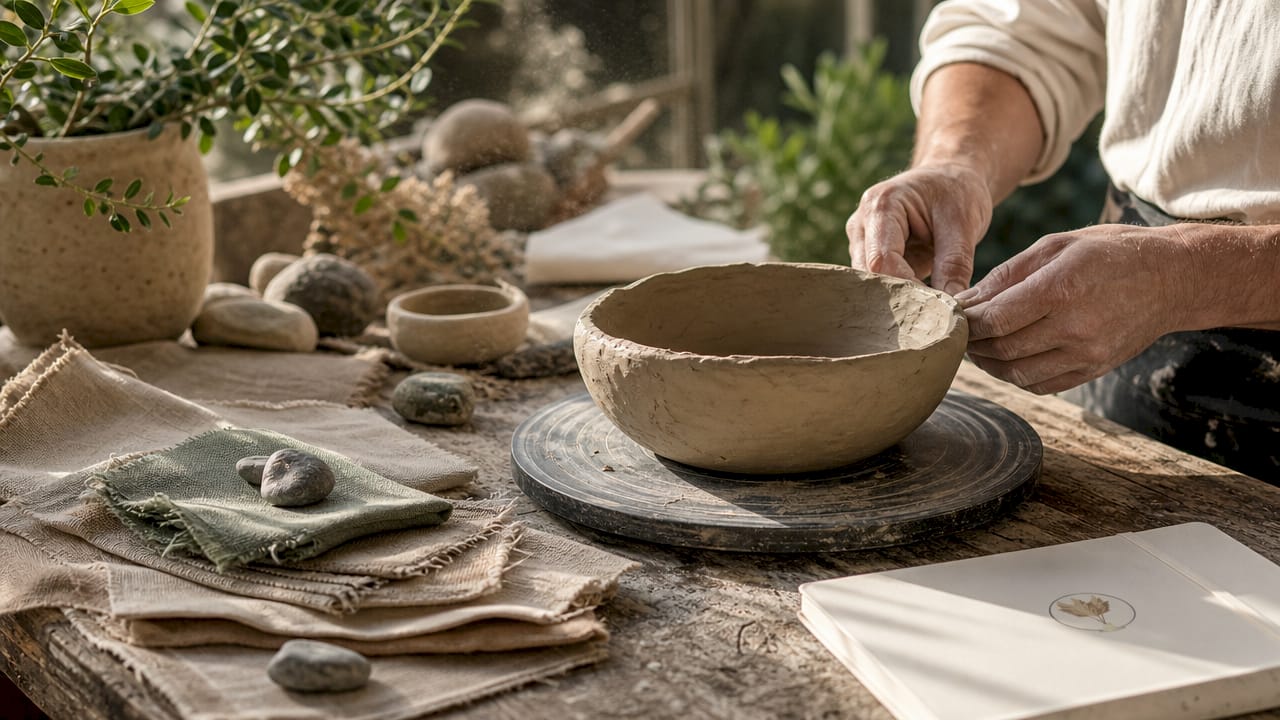
Three core principles define the style most clearly: personality, sustainability, and tactile warmth. Every choice, from a ceramic vase to a linen throw, should contribute to a cohesive feel rather than following a fleeting fashion trend.
What materials and colors characterize trendy decor in 2026?
Trendy decor in 2026 uses tactile textiles like velvet and linen, warm earthy tones, wood panels, and sculptural forms. These materials create a sense of warmth and craftsmanship that plastic-based alternatives can never provide. The combination of soft surfaces and natural materials is what makes a room feel well-thought-out rather than randomly furnished.
The color palette for 2026 is broad but cohesive:
- Terracotta and earthy tones provide warmth and an earthy foundation
- Olive green adds a natural and calm element
- Plum purple creates depth and personality
- Caramel tones serve as warm neutral bases
- Teal and muted pastels are used as accents for contrast
Pantone and Nordsjö have highlighted colors like Cloud Dancer and several blue shades as trendy for home environments. This means you can work with a soft white base and then add deeper tones in textiles and accessories to create balance.
Materials play just as big a role as colors. Linen breathes and ages beautifully. Velvet absorbs light and gives a room a mature, enveloping feel. Ceramic surfaces and handmade details add the unevenness and character that mass-produced products lack. Wood panels on a wall or a natural wood floor connect the room to something organic and timeless.
Pro tip: Start with a neutral base in linen or Cloud Dancer white, then add a deep accent color, such as plum purple or terracotta, in pillows, vases, or an armchair. This creates a cohesive result without having to replace furniture.
How is sustainability integrated into trendy home decor?
Sustainability is not an addition to the 2026 interior design trends. It's a fundamental part of how trendy homes are built. Consumers are opting out of cheap mass-produced plastic copies in favor of natural materials, craftsmanship, and vintage finds. It's a shift seen in how people shop, not just in what they say they value.
So what does long-lasting decor mean in practice? Here are four concrete steps:
- Choose quality over quantity. A sofa in genuine leather or a solid wood table will last for decades. A cheap MDF copy might last three years.
- Explore vintage and second-hand. Furniture with history adds character and reduces the need for new production. Marketplaces like Blocket and Tradera offer finds with genuine patina.
- Invest in dried plants and natural accessories. Dried bouquets and pampas grass require zero maintenance and last a long time, making them a sustainable alternative to fresh flowers.
- Replace textiles and lighting instead of furniture. Textiles and lighting are effective tools for quickly refreshing a room without a total renovation.
True sustainability is about investing in unique crafts and vintage finds with documented history and soul. It's a different logic than buying cheap and replacing often. And it's a logic that actually saves money in the long run.
Pro tip: Before buying something new, ask yourself if you can achieve the same effect through a vintage find or a simple textile change. Often, a new linen throw or a handmade ceramic vase can do more for a room than a brand new piece of furniture.
How do you create a personal decor that reflects identity?
Expert Julia Stridh emphasizes that the trend is about homes that tell a story and show genuine personality. It's a direct reaction to the sterile, photographable minimalism that dominated the 2010s. A home should feel lived-in, not like a hotel room.
Personal elements that make a difference:
- Photographs and art that you actually like, not just what looks good on Instagram
- Travel memories and souvenirs carefully placed, not hidden in drawers
- Inherited objects like a grandmother's bowl or an old clock, which add history and continuity
- Books, magazines, and collections that show what you are passionate about
Appreciating imperfections and older furniture contributes to authentic and interesting homes. A scratched wooden bench or an armchair with worn armrests tells a story. These are the kinds of details that make a home memorable.
Styles like bohemian decor and maximalism fit perfectly within the framework of trendy home decor 2026, as they by definition welcome a mix of textiles, patterns, and personal items. Retro vibes from the 1970s, with warm brown tones and organic forms, are naturally integrated into the current palette. It's not about copying a decade, but about borrowing the best from it and making it your own.
What concrete trends characterize home decor in 2026?
2026 is characterized by a paradox where minimalism is combined with a warmer and more playful aesthetic to create dynamism and harmony. This means you don't have to choose between order and personality. You can have both.
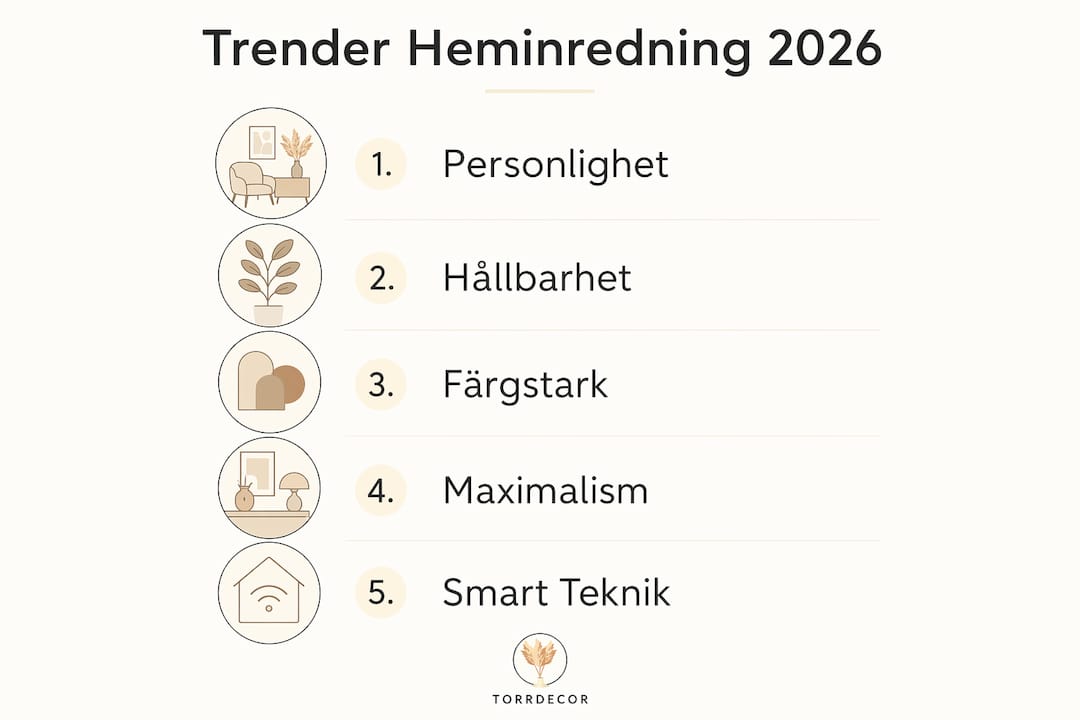
Here are the four strongest trends and how they differ:
| Trend | Character | Suitable for |
|---|---|---|
| Retro vibes (70s) | Warm brown tones, organic shapes, macrame | Living rooms and bedrooms with a personal feel |
| Maximalism | Pattern on pattern, collections, vibrant accents | Homes that want to tell a story |
| Brutalist furniture | Sculptural forms in concrete, metal, and wood | Modern homes wanting a strong focal point |
| Hidden smart technology | Voice-controlled lights, energy-efficient systems | All homes wanting comfort without visible gadgets |
Brutalist furniture and maximalism are making a comeback as a contrast to minimalism, providing variation in trendy home decor. Large architectural furniture in concrete, metal, and wood creates visually strong elements in modern homes. A sculptural chair or a concrete coffee table can serve as the room's centerpiece without you having to fill every surface with decor.
Smart home solutions are becoming increasingly hidden in home decor so as not to disturb the cozy feeling. Technology is discreetly integrated in the form of voice-controlled lights and energy-efficient systems. It's an important detail: 2026 is about technology serving the home, not dominating it.
Minimalism is not out in 2026 but is complemented by messy and personal elements that create warmth and unique character in rooms. It's a liberating insight for anyone who loves order but lacks personality in their homes.
Summary points
Trendy home decor in 2026 requires three things to succeed: personal choices, sustainable materials, and a color palette that creates warmth without feeling heavy.
| Point | Details |
|---|---|
| Personality over rules | Decorate according to feeling and history, not what looks good in pictures. |
| Choose sustainable materials | Linen, velvet, ceramics, and solid wood last long and age beautifully. |
| Work with the color palette | Terracotta, olive green, and plum purple create warmth when combined with a neutral base. |
| Mix old and new | Vintage finds and inherited items give a room character that newly produced items cannot. |
| Hide technology | Integrate smart solutions discreetly so they support comfort without being visible. |
What I actually think about trendy home decor in 2026
The most common mistake I see is people trying to copy a trend exactly instead of using it as a framework. They buy terracotta-colored cushions because it's trendy, but choose them in a material that doesn't match the rest of the room. The result looks forced.
What actually works is to start with what you already have and ask yourself what's missing. Do you have a room that feels cold? Add a linen throw and a handmade ceramic vase. Does it feel sterile? Bring out the books and objects you've hidden away because they "don't fit." They almost always fit better than you think.
Sustainability is also not a matter of buying organically labeled products. It's about buying fewer things and choosing better. A dried bouquet of pampas grass in a handmade vase is a good example. It requires no maintenance, lasts for years, and adds an organic, warm feeling that synthetic alternatives can never provide.
What I appreciate most about the 2026 interior design trends is that they give permission to be yourself. You don't have to choose between minimalism and chaos. You can have a tidy room with a couple of personal items that tell your story. It's no more complicated than that.
— Torrdecor
Sustainable and trendy decor from Torrdecor
Torrdecor specializes in sustainable interior details that fit directly into 2026 trends. The range includes dried bouquets, pampas grass in various forms, and handmade vases crafted in Portugal, all designed to last long without maintenance.
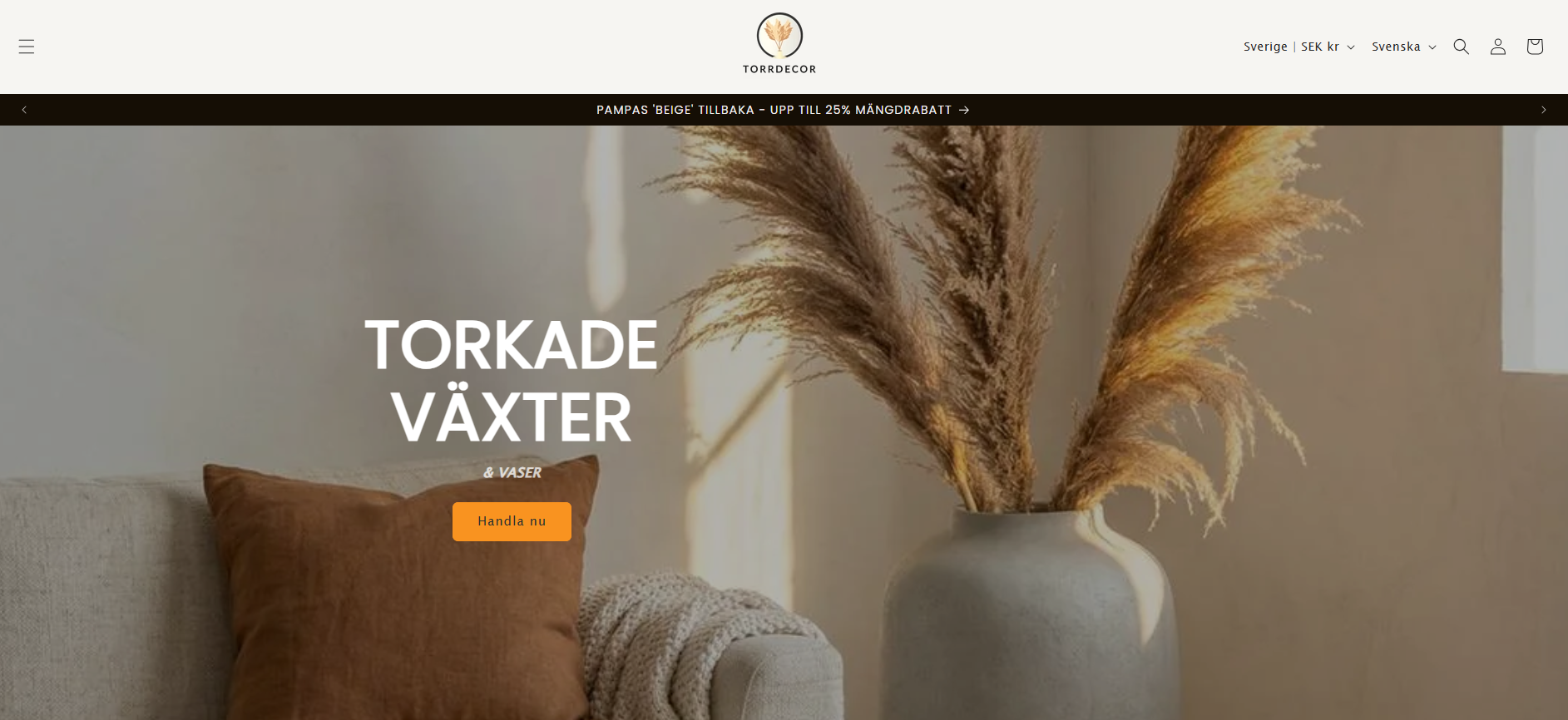
The products fit equally well in a minimalist home as in a maximalist one. A dried bouquet in a white clay vase provides the organic, tactile feeling that natural decor requires, without you needing to water or replace anything. Read more about Torrdecor's philosophy and product selection on the About Us page and see how sustainability and aesthetics can go hand in hand.
FAQ
What does trendy home decor mean in 2026?
Trendy home decor in 2026 means a personal, warm, and sustainable interior design style focusing on natural materials, tactile textiles, and a color palette of terracotta, olive green, and plum purple. The style prioritizes personality and quality over quick trends.
What colors are trendy for home decor in 2026?
Pantone and Nordsjö highlight soft white shades like Cloud Dancer, deeper brown tones, terracotta, olive green, and blue accents as the most trendy colors for home environments in 2026.
How can I decorate sustainably without a large budget?
Replace textiles and lighting instead of furniture, buy vintage finds on Blocket or Tradera, and choose dried plants and natural accessories that require minimal maintenance and last a long time.
Is minimalism still relevant in 2026?
Minimalism is not out, but is complemented by personal and warm elements. ELLE describes the trend as a paradox where minimalism meets a more playful and personal aesthetic to create dynamism and harmony.
What is the difference between maximalism and trendy decor?
Maximalism is part of trendy home decor in 2026, not its opposite. Maximalism welcomes patterns, collections, and vibrant accents, while trendy decor generally is about combining personality with sustainable and well-thought-out choices.
0 comments