

TL;DR:
- Natural interior design relies on authentic materials, earthy colors, and organic textures to create a serene home. It focuses on the qualities of the materials, balance, and sustainability to promote well-being and longevity. Starting with textiles, baskets, and plants are practical steps to build a natural style slowly and deliberately.
Natural interior design is a style and philosophy of decorating that uses authentic materials from nature, earthy colors, and organic textures to create a calm and balanced home. The concept brings together materials such as wood, linen, wool, cotton, and rattan under a shared aesthetic and functional framework. This style is sometimes also called organic interior design or earthy interior design, and it shares principles with Scandinavian design, Japandi, and bohemian style. The central idea is not to fill the room with natural objects, but to let the inherent qualities of the materials convey the expression.
What is natural interior design and what are its core principles?
Natural interior design is defined as the use of natural materials from plants, animals, and minerals such as wood, cotton, linen, wool, and rattan to create home environments with a sense of calm, warmth, and balance. IKEA describes these materials as durable and suitable for various interior styles, including Scandinavian, Japandi, bohemian, and rustic. This means that natural interior design is not confined to a single look but functions as a flexible foundational language for the home.
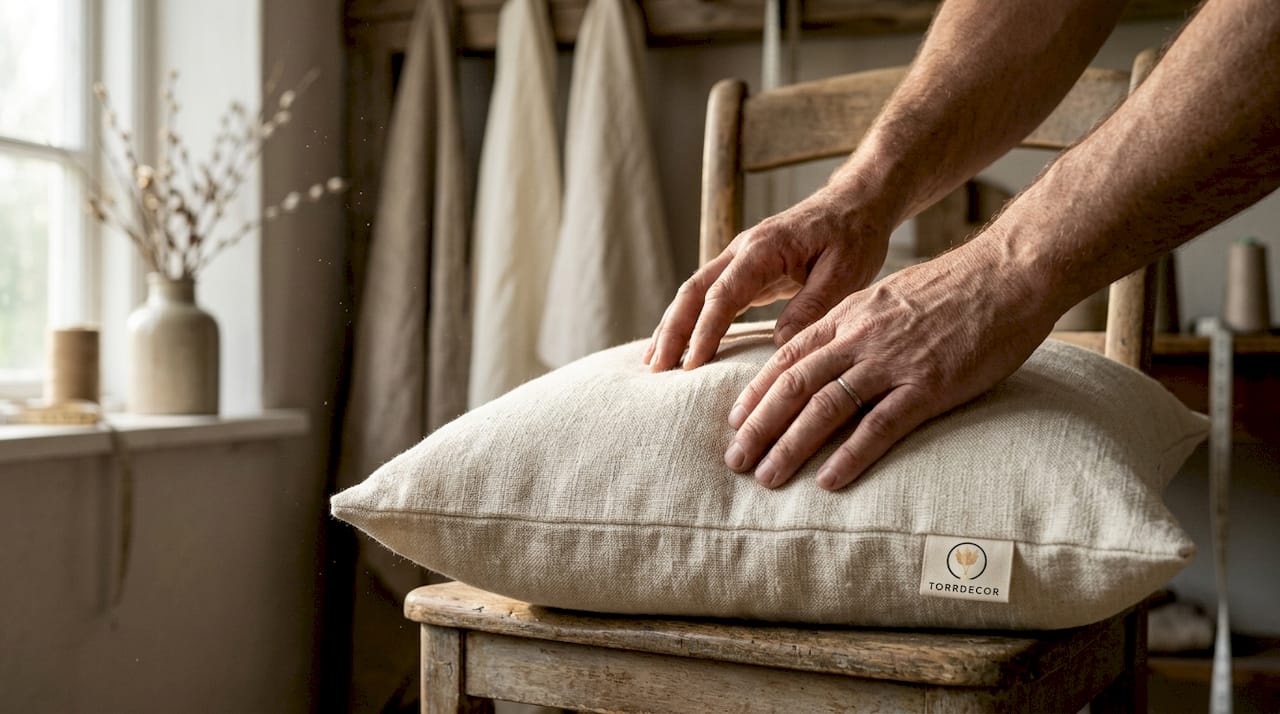
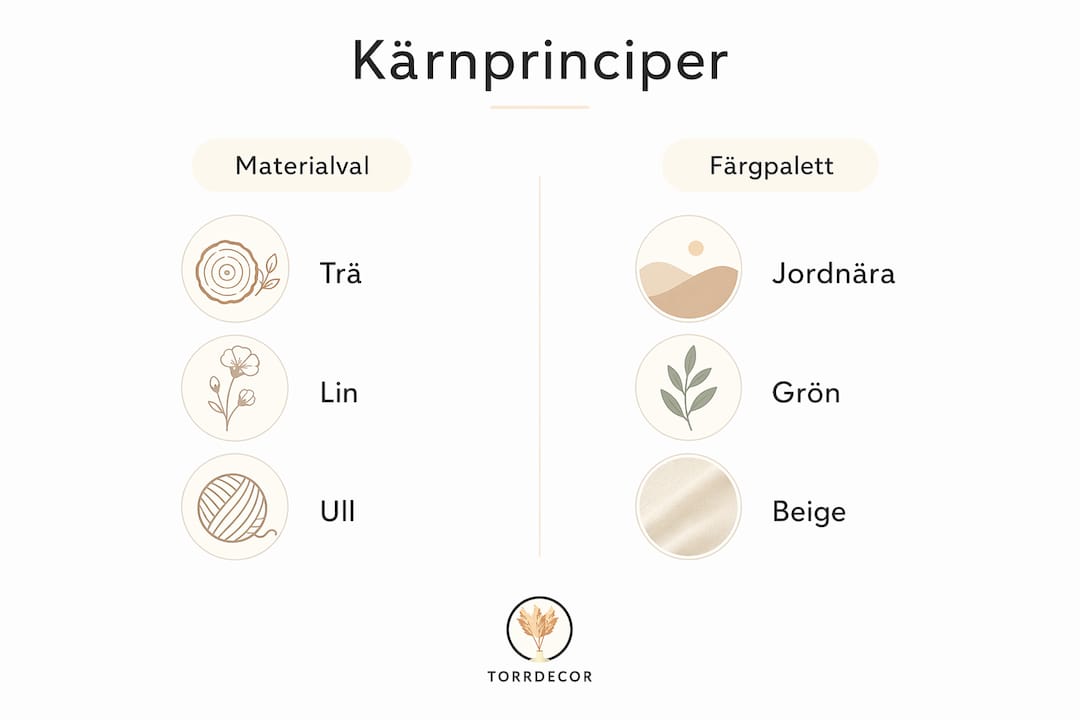
The core principles revolve around three things: material selection, color palette, and proportions. You choose materials with a natural origin, you work with a subdued and earthy color scale, and you avoid overfilling the room. Balance in proportions is crucial. Adding the right materials and textures instead of furnishing densely helps create a minimalist and soothing feel.
Historically, natural materials have always dominated interior design, from the wood and animal skins of the Viking Age to the linen and wickerwork of the 20th century. What is new today is that the choice is conscious and linked to sustainability. You choose natural materials not just because they look good, but because they last long, age beautifully, and have a lower environmental footprint than synthetic alternatives.
Natural interior design is not just about aesthetics but about a holistic approach to tactile sensations, variation, and the origin of materials that creates a calm and harmonious home. It's the difference between a room that looks natural in a picture and a room that actually feels natural to be in.
What materials and colors characterize natural interior design?
Materials are the foundation of all natural home decor. Each material has its own properties and contributes in different ways to the room's feel.
The most common natural materials:
- Wood provides warmth, structure, and an organic pattern that is never exactly repeated. Oak, pine, and birch are common choices in Swedish homes.
- Linen is one of the oldest textile materials and is characterized by its light, airy texture and natural beige tone.
- Cotton is soft, washable, and versatile. It is used in everything from bedding to curtains and pillows.
- Wool provides weight and warmth, is excellent for rugs, blankets, and cushions, and naturally regulates temperature.
- Rattan and bamboo add a light, airy expression and are suitable for furniture, baskets, and lamps.
- Stone and ceramics provide weight and coolness that balance the warmer textile materials.
Synthetic alternatives such as polyester, acrylic, and PVC sometimes imitate the appearance of natural materials, but they lack the tactile feel and do not age in the same way. A linen fabric softens and gains character after washing. Polyester does not.
The color palette in natural interior design draws inspiration directly from nature. Soft green tones, beige, and earthy colors create calm and make the room cozy, while material textures in wood, linen, and wool contribute to a tactile and visual warmth. Think sand beige, terracotta, moss green, stone gray, and warm white. These colors serve as neutral backgrounds that allow the materials to speak.
Pro Tip: Choose a base of three earthy colors and let the materials create variation. If you have beige walls, gray stone, and warm wood, you don't need more colors. Textures and materials do the work.
Natural materials age with a beautiful patina that makes them more characterful over time. A leather rug gains more personality after ten years. A wooden bench is polished smooth where you sit. This is a quality that synthetic materials cannot offer, and it is one of the strongest arguments for investing in natural materials from the start.
What distinguishes natural interior design from nature-inspired and ecological interior design?
The three terms are often used interchangeably, but they actually describe different things. Understanding the differences helps you make more conscious choices when shopping and planning your decor.
| Concept | Focus | Examples |
|---|---|---|
| Natural interior design | Materials and feel from nature | Wood, linen, wool, rattan, earthy colors |
| Nature-inspired interior design | Visual resemblance to nature | Wallpaper with leaves, wood prints, artificial plants |
| Ecological interior design | Environmental impact and sustainability | Certified wood, organic cotton, recycled materials |
Nature-inspired interior design is about visually mimicking nature, but the materials don't have to be authentic. Wallpaper with a birch pattern is nature-inspired but not natural. Artificial plastic plants are nature-inspired in appearance but neither natural nor ecological. This style creates a sense of nature without requiring authentic materials.
Ecological interior design focuses on environmental impact throughout the production chain. This involves FSC-certified wood, GOTS-certified cotton, formaldehyde-free glue, and furniture manufactured under fair working conditions. Ecological interior design can include synthetic materials if they are recycled or have a low environmental impact.
Natural interior design integrates both the authenticity of the material and the feeling it creates, but it doesn't always demand ecological certification. You can have a natural interior with an untreated wooden table and linen curtains without knowing if the cotton is GOTS-certified. It's a stylistic and sensory category rather than an environmental label.
The practical advice is to combine all three perspectives when possible. Choose authentic natural materials that are also ecologically produced, and let them create a more nature-inspired expression in the room. This way, you get the best of all three categories.
What are the benefits of choosing natural interior design for your home?
The benefits of natural interior design are both practical and emotional, and they reinforce each other.
Durability and longevity are the most concrete arguments. Natural materials are designed to withstand wear and tear and can develop a beautiful patina over time. This means you choose fewer but better items, directly counteracting the throwaway culture. A solid oak bench lasts for generations. An MDF furniture with foil does not.
Well-being and comfort are another clear advantage. Colors and materials that connect to nature promote health and well-being according to interior design experts and psychological studies. This is because natural materials activate multiple senses simultaneously. You see the grain of the wood, feel the texture of the linen fabric, and hear the gentle creak of rattan. This combination creates a sensory security that synthetic materials do not provide.
Benefits of natural interior design in short:
- Materials age beautifully and gain character over the years
- Earthy colors and organic textures reduce visual clutter and create calm
- Natural materials often regulate humidity and temperature better than synthetic alternatives
- Sustainable choices reduce the need to replace furniture and decor frequently
- Dried plants and natural decorations require minimal maintenance but provide long-lasting effect
Dried plants are a good example of how natural decor can be practical and beautiful at the same time. Torrdecor specializes in sustainable decor with dried plants like pampas grass and dried bouquets. They require no watering, last for several years, and fit perfectly into a natural interior.
Environmental impact is a third argument. Natural materials are biodegradable and often require less energy to produce than synthetic alternatives. Choosing a linen fabric over polyester, or a rattan basket over a plastic tray, is a small but concrete choice that adds up to a difference over time.
How can you practically start decorating your home with natural elements?
Starting with natural decor doesn't have to mean a total renovation. You can build up the style step by step with small, conscious choices.
-
Start with textiles. Replace synthetic cushion covers and curtains with linen or cotton. This is the quickest and cheapest change with the greatest visual impact. Choose cultivated, natural tones like beige, white, or gray-brown.
-
Add natural baskets and storage. Rattan and bamboo baskets replace plastic boxes and immediately add an organic feel. They work equally well in the bathroom as in the living room.
-
Use the layering technique for rugs. Combining natural material rugs on top of each other creates coziness and dynamism without overcrowding. A jute rug as a base with a wool rug on top adds texture, warmth, and depth.
-
Choose a focal point in natural materials. A single larger natural panel can change the room's feel and allow other decor to remain simple and balanced. This could be a wooden panel on a wall, a stone table, or a large rattan furniture piece.
-
Incorporate dried plants and natural decoration. Pampas grass, dried bouquets, and natural vases are simple ways to introduce organic forms without maintenance requirements. Torrdecor's guide on dried plants for the home provides concrete ideas on how to place and combine them.
-
Maintain natural materials correctly. Wood benefits from regular oiling. Linen and cotton should be washed at lower temperatures to maintain their shape. Rattan should be kept out of direct sunlight for extended periods to prevent cracking. Proper care significantly extends lifespan.
Pro Tip: Avoid buying everything at once. Natural decor is built up organically, just like nature. Buy one quality piece at a time and let the room evolve. This results in a more refined and personal outcome than furnishing a room in a single day.
A common pitfall is mixing too many natural materials without a plan. Wood, rattan, stone, linen, and wool can all coexist, but they need a common color palette to unify the whole. Choose a neutral base and let the materials vary within that framework. Inspiration for bohemian interior design shows how to blend natural materials with personality without it becoming cluttered.
Summary of Natural Interior Design
Natural interior design requires authentic materials, an earthy color palette, and conscious proportions to create a home that is both sustainable and harmonious.
| Point | Details |
|---|---|
| Material choice is fundamental | Choose wood, linen, wool, cotton, and rattan over synthetic alternatives for longer lifespan and better feel. |
| Color palette unifies the whole | Work with beige, earthy tones, moss green, and stone gray as a neutral base for all natural materials. |
| Patina is a quality | Natural materials age beautifully and gain character, making them better long-term investments. |
| Start small and build up | Change textiles and add baskets and dried plants before tackling furniture and walls. |
| Balance prevents overcrowding | Choose a focal point in natural materials and keep the rest simple for a soothing and refined impression. |
Why natural interior design is more than a trend
I've followed the interior design industry for a long time, and what strikes me about natural interior design is that it doesn't behave like a trend. Trends come and go. Natural interior design reappears time and again, in different forms and under different names, but with the same core.
What I've seen happen with many people who start with natural interior design is that they underestimate the inherent voices of the materials. They buy a beautiful wooden table but cover it with a tablecloth. They buy linen curtains but choose a synthetic rug because it was cheaper. The result is a room that almost feels natural but lacks that final sense of wholeness.
My experience is that natural interior design requires the courage to trust the materials. Wood doesn't need to be protected behind glass. Linen doesn't need to be perfectly ironed. Rattan doesn't need to be matched exactly. It's precisely this slight imperfection that makes the room feel alive and authentic, not like a showroom.
Another thing I often see is people buying too much at once. They want the whole style immediately. But natural interior design works best when it's built up slowly, with items that actually mean something. An heirloom from grandma, a basket from a market, a wooden tray you found at a flea market. These are the kinds of items that give natural interior design its depth.
What makes me optimistic is that interest in sustainability and authentic materials is only growing. More and more people understand that a well-chosen natural material is a better choice than ten synthetic replacements. It's not just aesthetics. It's a way of relating to home and to the world.
— Torrdecor
Create your natural interior with Torrdecor
Torrdecor offers a range of dried plants, pampas grass, bouquets, and handmade vases in white clay that fit perfectly into a natural interior. The products require minimal maintenance and last for several years, making them a natural choice for those who want sustainable and beautiful decoration without hassle.
Whether you're just starting to explore natural home decor or want to complement an already earthy home, you'll find concrete solutions at Torrdecor. The assortment is designed for individuals and interior designers who value simplicity, quality, and long-lasting durability. Visit Torrdecor's webshop to see the full range and find your next natural detail.
FAQ
What is natural interior design in brief?
Natural interior design is a style that uses authentic materials from nature, such as wood, linen, wool, and rattan, along with earthy colors to create a harmonious and sustainable home. The focus is on the authenticity of the materials, tactile qualities, and balanced proportions.
How does natural interior design differ from ecological interior design?
Natural interior design is about material choices and feel, while ecological interior design focuses on environmental impact and certifications like FSC and GOTS. You can have a natural interior without all products being eco-certified, but the two styles complement each other well.
Which natural materials are best for beginners?
Linen and cotton are the easiest to start with as they are accessible, affordable, and easy to care for. Rattan and bamboo in the form of baskets and lamps are the next step, and dried plants like pampas grass are an easy way to add organic forms without maintenance requirements.
Can natural decor be combined with modern styles?
Yes. Natural materials work in Scandinavian design, Japandi, bohemian style, and minimalism. The key is to maintain a consistent color palette and let the materials create variety rather than mixing too many styles.
How long do natural materials last in the home?
Natural materials such as wood, wool, and rattan last for decades with proper care. Dried plants typically last one to three years depending on placement and light conditions. Natural materials age with a patina and become more characterful over the years, making them better long-term choices than synthetic alternatives.
0 comments