

TL;DR:
- A vase should be chosen based on its shape, material, size, and placement to create harmony.
- Different vase types, such as classic, specialized, and sculptural vases, suit various needs and styles.
- Durability and function are determined by material choices like glass, ceramic, and metal, depending on use.
Choosing a vase might seem simple, but there's a reason why the wrong choice can make the entire decoration feel unbalanced. The shape influences how flowers fall. The material determines how long the vase lasts. The size dictates whether the vase dominates the room or blends in. Whether you're decorating a home, a shop, or an event, there's a clear difference between a vase that just sits there and one that truly elevates the overall aesthetic. In this article, we'll go through the most important types of vases, explain which material suits what, compare options, and help you make an informed decision.
Table of Contents
- What characterizes different vases?
- Common materials: Glass, ceramic, metal, and more
- Specialty vases: Custom solutions for specific flowers and styles
- How do you choose the right vase for the situation?
- Our perspective: Why the right vase transcends all trends
- Explore more vases and inspiration at Torrdecor
- Frequently asked questions about types of vases
Key Insights
| Point | Details |
|---|---|
| Vase function determines shape | Always begin your choice with what the vase will be used for and which plants or flowers you wish to arrange. |
| Material affects durability | Ceramic, metal, and glass are durable and can be matched to various interior design styles. |
| Specialty vases highlight details | Tulip vases, amaryllis vases, and design objects offer new opportunities to experiment with form and expression. |
| Match with your style | The most important thing is that the vase feels right in your room and adds personality beyond trends. |
What characterizes different vases?
Now that you know why the choice is crucial, let's take a closer look at the basics of different vase types.
A vase is often defined by its shape and purpose. There are essentially three categories to be aware of: classic vases, specialized vases, and decorative sculptural vases. Each category has its own strengths and suits different situations.
Classic vases are the most familiar. They often have a cylindrical or slightly tapered shape with an open top. These suit a wide variety of flowers and are easy to combine with different interior styles. They are reliable, work in almost any room, and come in a multitude of materials.
Specialized vases are created for a specific purpose. A tulip vase, for example, has a characteristic wide opening and an internal support that keeps the stems separated. This allows the tulips to fall naturally without clumping together. Tulip vases give the bouquet a more airy and well-composed look, which is difficult to achieve with a regular cylindrical vase. The amaryllis vase is another example, with a narrow neck that provides support for the long and heavy stems.
Decorative sculptural vases are designed to stand alone. They function as a work of art even without flowers. The shape can be organic, asymmetrical, or geometric. These vases are excellent for unique vases for harmony in a modern home.
When choosing a vase type, you should ask yourself three questions:
- What will be in the vase: flowers, branches, or nothing?
- Where will the vase be placed, and how much space is available?
- Should the vase be a focal point or blend into its surroundings?
“A vase is not just a container for flowers. It is part of the interior design and should be chosen with the same care as a piece of furniture or a painting.” This perspective is guiding when comparing options.
It's also worth considering whether you want dried plants for vases or fresh flowers. Dried plants require no moisture and can be placed in vases without waterproofing, opening up more material choices. Fresh flowers, however, require the vase to be water-resistant and easy to clean.
Form and function are always intertwined. A vase that looks fantastic but doesn't support the flowers correctly will be frustrating in everyday use. Choose the shape that matches both your flowers and your lifestyle.
Common materials: Glass, ceramic, metal, and more
Now that we're familiar with shapes, it's time for the materials that shape your vase experience.
The material not only determines how the vase looks but also its durability and the impression it gives the room. Here are the most common options:
Glass is light, transparent, and showcases flower stems as part of the decor. It suits bright and minimalist environments well. The disadvantage is that glass can be fragile and that water is visible, requiring more frequent changes.
Ceramic is one of the most popular choices for a good reason. It is heavy, stable, and can have a matte or glossy finish. Ceramic suits both modern and traditional environments. Ceramic vases for durability are a smart choice for those who want a vase that lasts a long time and doesn't tip over easily.
Metal gives an industrial or glamorous impression depending on the finish. Matte black metal suits modern Scandinavian interiors, while gold-colored metal gives a more luxurious feel. Metal is durable but can rust if not coated.
Wood and natural materials give an organic and warm impression. These are best suited for dried plants and branches, not fresh flowers, as moisture quickly damages wood.
Below is a quick comparison of the most common materials:
| Material | Advantages | Disadvantages |
|---|---|---|
| Glass | Transparent, lightweight, versatile | Fragile, shows dirty water |
| Ceramic | Stable, durable, aesthetic | Heavy, can crack if dropped |
| Metal | Modern, robust | Can rust, cold aesthetic |
| Wood | Warm, natural | Not water-resistant, limited use |
| White clay | Unique finish, craftsmanship | Limited selection |
An important distinction is the difference between water-resistant and decorative vases. Not all ceramic vases are glazed internally, meaning they are not suitable for water. Always check this before placing fresh flowers in them.
Design examples like the Swedish Äng Vas show how material and form interact to create a harmonious overall impression. It combines simple lines with an organic material that feels timeless.
Pro tip: Combine a glass and a ceramic vase in the same color scheme to create depth on a shelf or dining table. This adds variety without looking cluttered.
Choose material based on the environment the vase will be in. Bathrooms and kitchens require water-resistant options. Living rooms and bedrooms offer more flexibility. Shops and events benefit from robust materials that can withstand handling.
Specialty vases: Custom solutions for specific flowers and styles
Once the material and shape are decided, you can explore niche alternative vases for specific purposes.
Specialty vases are created with a clear purpose. They don't just look good; they work better for specific flower types or arrangements.
Tulip vases are a good example. Their wide opening with built-in support ensures that the natural movements of tulips are managed in the best way. Tulip vases for bouquets are a popular choice among interior designers who want a well-composed result without having to rearrange flowers daily.
The amaryllis vase has a narrow and tall neck that provides support for long stems, preventing the flowers from bending too much to the side. Without proper support, amaryllis can quickly look droopy.
Bottle vases are narrow with a small opening, which is perfect for single flowers or sprigs. They work excellently on a desk or a windowsill.
Sculptural vases function as art installations. They don't need flowers to make an impression. The form itself is the message. Asymmetrical and organically shaped vases in, for example, white clay are popular for modern and minimalist homes.
Here is an overview of specialty vases and their primary purpose:
| Vase type | Primary purpose | Best suited for |
|---|---|---|
| Tulip vase | Support and spreading of tulips | Home, table, event |
| Amaryllis vase | Support for long stems | Windowsill, entrance |
| Bottle vase | Single flowers | Desk, restroom |
| Sculptural vase | Decoration without flowers | Living room, shop |
| Floor vase | Large arrangements | Event, entrance, lobby |
Worth highlighting are vases classified as sustainable decorative vases. These are manufactured to last a long time and maintain their appearance without fading or cracking under normal use.
One advantage of specialty vases is that they rarely look impersonal. They signal a conscious choice and give a more refined impression, whether you are decorating a home or a shop. More about specialized vases and how they are used can be found with us.
They are also excellent for mixing with dried plants. A sculptural vase in white clay with a bunch of pampas grass does not need to be replaced, watered, or maintained. It is a solution that lasts all year round.
How do you choose the right vase for the situation?
Now you have the options; here's how to concretely make the best choice.
Choosing the right vase is about matching four factors: purpose, location, flower choice, and color scheme. Go through them in order, and you'll get it right every time.
-
Determine the purpose. Should the vase hold fresh flowers, dried plants, or stand empty as decoration? This directly determines whether you need a water-resistant vase or if you have free rein with the material.
-
Measure the space. An 80 cm floor vase looks impressive in a hallway but is completely wrong in a small kitchen. A small bottle vase disappears on a large dining table. The right size is just as important as the right shape.
-
Match the flower type. Tulips thrive best in a tulip vase. Pampas grass suits a wide and heavy ceramic vase. Single roses or peonies are best highlighted in a simple cylindrical vase. Consider the flower, then choose the vase.
-
Adapt the color scheme. A white clay vase works in almost any environment. A dark green ceramic vase suits a nature-inspired or Scandinavian home. Metal vases in gold or copper elevate classic or glamorous interiors.
-
Test the scale in the room. Place a temporary vase in the spot before buying. Photograph the room and observe how the vase interacts with the rest of the decor. This is a simple trick that saves you from bad purchases.
Pro tip: If you want to follow a bohemian interior design trend, organic shapes in natural materials are the best choice. Round vases in terracotta or white clay with asymmetrical details are perfect for the currently popular bohemian style.
A common mistake is to buy a vase because it looks good in the shop, without considering where it will stand at home. A vase that serves as a focal point in a retail environment can feel dominant in a small home. Context always matters.
Äng Vas and similar designers show how thoughtful form provides support for the arrangement while looking good. It's a clear example that function and aesthetics do not have to be at odds with each other.
In summary: start with the purpose, continue with the location, choose flowers, and then adapt the material and color. In that order, you will always find the right one.
Our perspective: Why the right vase transcends all trends
Now that you know how to choose, we want to share our own view on what really matters in the quest for the perfect vase.
We often see that interior designers and private individuals choose vases based on what is currently trendy. This is understandable, but it often leads to quick re-purchases and a feeling that the decor never quite settles.
Our experience is clear: a vase chosen for durability and personality lasts longer than one bought to fit a specific seasonal trend. Iconic vases in neutral colors and timeless shapes are often passed down from generation to generation. This doesn't happen with a vase bought because it was popular in a certain year.
There are three common mistakes we see again and again. The first is choosing too trendy without considering function. The second is choosing too simple without considering personality. The third is not matching the vase's shape with what it is supposed to hold.
Always ask yourself: does this vase suit my home and my purpose, or am I buying it just because it looks good on social media? It's a difference that becomes very apparent once the vase is at home.
And consider what you fill it with. The choice between dried or fresh flowers affects which material and form are most practical in the long run. Dried plants are maintenance-free and last for months, meaning the vase rarely needs to be emptied or cleaned.
Choose carefully. A well-chosen vase is always a good investment.
Explore more vases and inspiration at Torrdecor
Have you found a vase that appeals to you? See the full range and get more inspiration directly from us.
At Torrdecor, you'll find a wide selection of decorative vases made in Portugal, from white clay and with unique shapes suitable for modern homes, shops, and events. The vases are designed to last and maintain their appearance without demanding care.
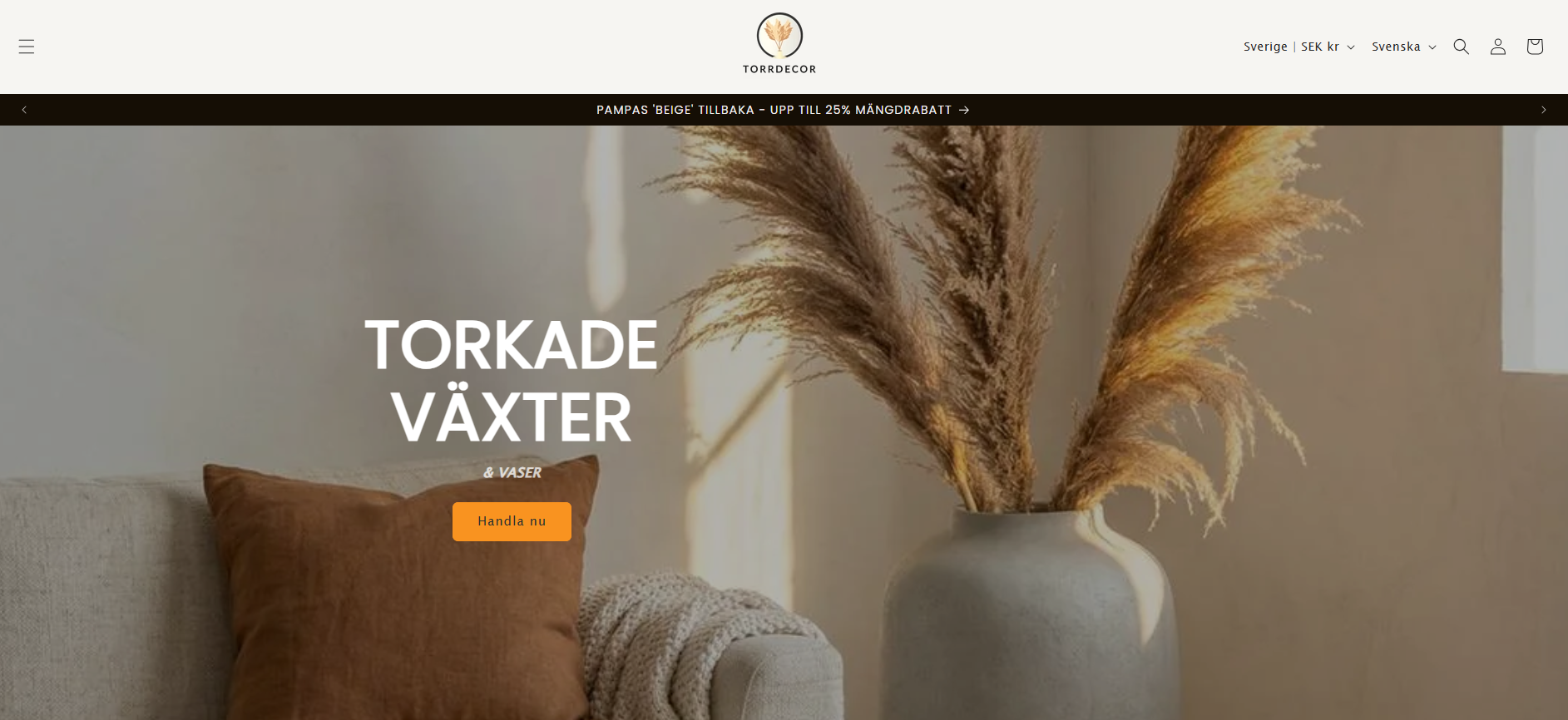
We also offer dried pampas grass and vases that go together, making it easy to create a cohesive and stylish look instantly. Pampas grass in a ceramic vase is one of the most appreciated combinations among our customers and requires no maintenance at all.
If you want to know more about us and our product range, who we are, and what B2B solutions we offer for shops and salons, you can find all information about Torrdecor on our website. We are here to help you find the right vase for your specific situation.
Frequently asked questions about types of vases
Which vase is best for dried flowers?
A stable vase in ceramic or glass is usually best as it provides support and does not require waterproofing for dried arrangements. Different materials work better for dried plants than for fresh ones.
What is a tulip vase and why is it special?
A tulip vase has a wide opening adapted for the natural spread of tulips and built-in support that keeps the stems separated. The design of the tulip vase makes the bouquet look airy and well-composed without extra arrangement.
Which material is most durable for everyday use?
Ceramic and metal offer the best durability for everyday home use due to their robustness and resistance to moisture. Ceramic and metal are the materials that last longest with daily handling.
What size vase should I choose for my dining table?
A vase of about 20 to 30 cm is suitable for most dining tables and won't interfere with conversation around the table. Choose a narrower shape if you want flowers without obstructing the view.
Can a vase be a decoration even without flowers?
Yes, sculptural vases as objects work excellently as standalone decorations thanks to their well-designed shapes and materials.
Recommendation
- Decorating with vases: Create harmony in your home with unique vases – Torrdecor
- Examples of decorative vases for sustainable decor – Torrdecor
- How ceramic vases bring durability and style to your decor – Torrdecor
- Portuguese vases: 5 features that enhance your decor – Torrdecor
- How to choose lamps: stylish & functional for home | Blog Lampenonline
- Enhance your modern interior with velvet: style and comfort – Joya Home
0 comments