

In brief:
- Cut flowers are fresh plants that are cut and placed in water for decoration. Sedum, carnations, lilies, and sunflowers last longest in a vase. Proper care and seasonal adaptation extend the life of the flowers and enhance the decor.
Cut flowers are fresh flowering plants that are cut and placed in water to decorate homes or create atmosphere for special occasions. The right flowers combine long durability, aesthetic variety, and seasonal adaptation. This provides beautiful arrangements without unnecessary costs. Carnations, sedum, lilies, and sunflowers are among the varieties that last longest and are best suited for both everyday decoration and weddings. This guide will help you choose the right flower, care for it correctly, and use it in a way that truly elevates the room or event.
1. Which cut flowers last longest in a vase?
Durability is the most important criterion when choosing cut flowers for the home. Carnations last up to 14 days with proper care, while sedum can last for as long as 21 days. This makes sedum one of the most cost-effective choices you can make.
Varieties with long vase life:
- Sedum lasts up to 21 days and tolerates varying room temperatures well
- Carnations last 14 days and come in a wide range of colors
- Lilies open successively, providing a long-lasting decorative effect
- Sunflowers last 7–12 days and are suitable for large arrangements
- Alstroemeria is one of the most durable varieties and often lasts as long as sedum
Placement plays a major role. Never place the vase near the fruit bowl. Ripe fruit releases ethylene gas, which accelerates the aging of flowers. Direct sunlight dries out petals faster than shade does.
Pro tip: Change the water every other day and trim the stems one centimeter further down with each change. This keeps the channels open and the flowers fresh.
2. How to care for cut flowers properly?
Proper care often doubles the lifespan of flowers. Cut stems should be trimmed diagonally under running water, not in the air. The diagonal cut increases the absorption surface and reduces the risk of the stem blocking against the vase bottom.
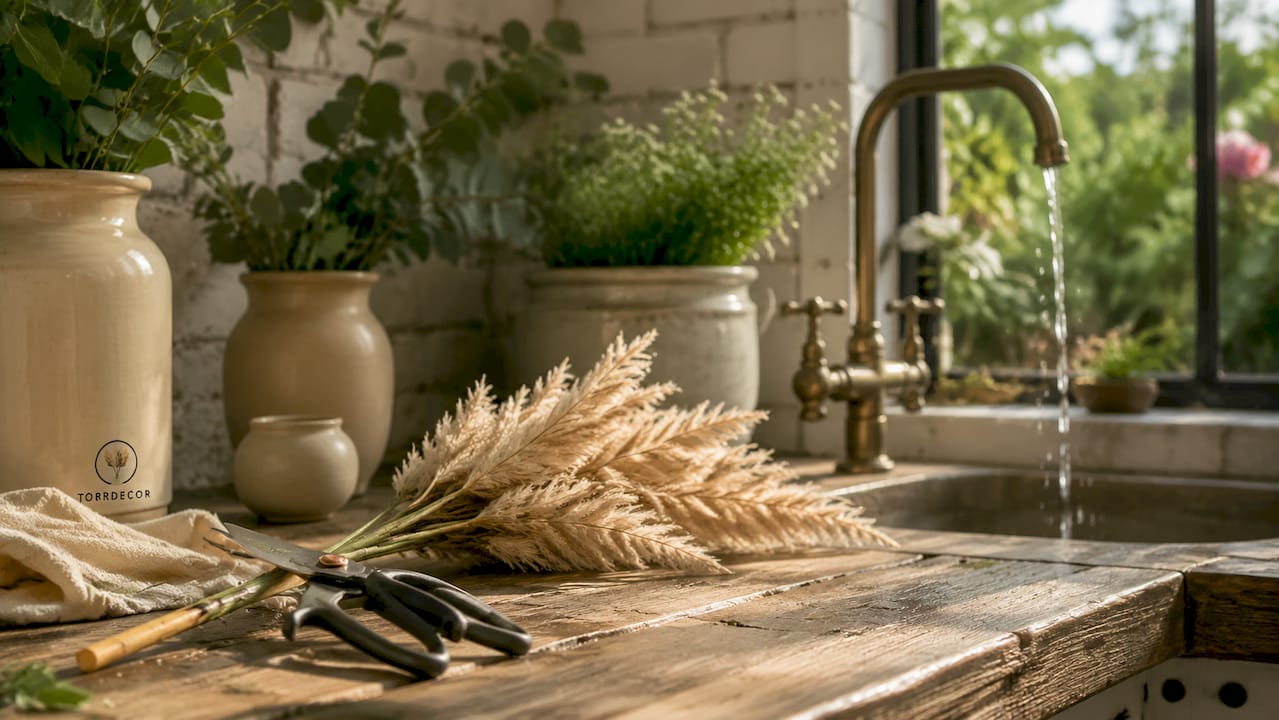
Remove all leaves that fall below the waterline. Leaves in water quickly rot and create bacteria that harm the entire bouquet. Clean water and clean vases are as important as the flowers' origin.
Avoid placing cut flowers near radiators, open windows in winter, or air conditioning. Dry air draws moisture from the petals. A cool and bright spot without direct sunlight is the best option for most varieties.
3. How to choose seasonal cut flowers for weddings?
Seasonal adaptation is fundamental for wedding flowers. Seasonal flowers are cheaper and more durable than imported alternatives, and they look better on the wedding day because they are fresher upon delivery.
Flower varieties per season:
- Spring: Tulips, peonies, ranunculus, and daffodils
- Summer: Dahlias, roses, lavender, and prairie gentian
- Autumn: Sunflowers, burgundy dahlias, and asters
- Winter: Amaryllis, hellebore, and eucalyptus for greenery
A bridal bouquet costs from 1,200 SEK at a florist, while self-picked flowers can cost around 600 SEK per kilogram. A boutonniere starts at 180 SEK. If you choose seasonal flowers and complement them with greenery like eucalyptus or fern, you stretch your budget further without compromising on appearance.
Pro tip: Contact the florist at least three months before the wedding. Popular seasonal varieties are booked up early, especially during May and June.
Prioritize your budget for the most visible areas. The bridal bouquet and welcome arch are the elements guests notice most. Table decorations can be simpler with loose flowers in plain vases.
4. How to grow your own cut flowers for bouquets?
Growing your own cut flowers provides fresher bouquets and full control over variety selection. Weeks 10–12 in March is the best sowing time for annual cut flowers such as zinnia, sunflower, and calendula. If you sow too early, you risk the plants becoming too large before transplanting.
Requirements for pot cultivation:
- Soil volume: At least 30–50 liters per pot for good root development
- Soil depth: At least 30 centimeters for stable roots
- Light: At least six hours of direct sun per day
- Water: Regular watering without allowing pots to sit in stagnant water
| Flower | Harvest time | Vase life |
|---|---|---|
| Dahlia | When fully open | 5–8 days |
| Snapdragon | In bud stage | 7–10 days |
| Zinnia | When half open | 7–12 days |
| Sunflower | Just as it opens | 7–12 days |
Dahlias are harvested when fully open, while snapdragons are picked in the bud stage. It is a common mistake to pick all flowers at the same time. Timing of harvest determines how long the bouquet lasts in the vase.
Always cut with clean, sharp scissors. Blunt scissors crush stem tissue and immediately reduce water absorption.
5. How to use cut flowers to transform your home?
Cut flowers quickly transform a room with color and texture, without renovation or large investments. Flowers provide texture and changeability in the decor, creating life and a harmonious atmosphere. This is called biophilic design, a concept for bringing natural elements into indoor environments.
Placement tips per room:
- Living room: Large bouquets with peonies or sunflowers as a focal point on the coffee table
- Kitchen: Herbs like rosemary and thyme in simple glasses, both decorative and practical
- Bedroom: Lavender or white tulips for calm and scent without dominating
- Hallway: A single dramatic flower in a narrow vase makes a strong statement with minimal cost
Choose flower varieties according to the season for best durability and aesthetics. Tulips suit spring, peonies and dahlias summer, and amaryllis winter. Following the season makes the flowers look natural in their context.
Pro tip: Do not mix too many colors in the same bouquet. Choose one main color and a complementary shade. This creates a more thoughtful result than mixing everything at once.
You can also combine fresh cut flowers with dried flowers for decor to create arrangements that last longer and require less care.
6. Slow flower: why locally grown flowers are better
The Slow Flower movement is a direct reaction against imported, pesticide-treated cut flowers. The Slow Flower trend in Sweden encourages local and sustainable cultivation, which results in healthier and longer-lasting flowers with shorter transport. Shorter transport means the flowers are fresher when they reach the vase.
Locally grown flowers contain fewer pesticides and often have a clearer scent. They also support Swedish growers and reduce the climate impact from air transport. If you choose flowers from a local grower or a farmers' market, you know exactly when they were harvested.
For those who want an even more sustainable flower decor, dried plants are a natural complement. They require no watering and maintain their shape and color for months to years without losing their aesthetic appeal.
Key insights
The right choice of cut flowers, proper care, and seasonal adaptation determine whether a bouquet lasts for 5 days or 21 days.
| Point | Details |
|---|---|
| Choose long-lasting varieties | Sedum and carnations last longest and provide the best value for money. |
| Care for flowers properly | Cut diagonally under water and change water every other day to extend lifespan. |
| Adapt to season | Seasonal flowers are cheaper, fresher, and more durable for weddings and events. |
| Grow your own flowers | Sow in weeks 10–12 and harvest at the right time for best vase life. |
| Supplement with dried plants | Dried arrangements last for months and require no care at all. |
My thoughts on cut flowers and what really works
The advice I give most often is the simplest: buy fewer flowers but choose better varieties. A bouquet with five sedum stems lasts longer and looks more thoughtful than twenty mixed flowers that wilt in three days.
I have seen many wedding couples spend too much of their flower budget on table decorations that guests barely notice. The bridal bouquet and welcome arch are the elements that appear in every photo. Prioritize them and simplify the rest.
What surprises most people is how much difference proper placement makes. Flowers near the fruit bowl or a sunny window wilt twice as fast. It's not the flowers' fault. It's the placement.
The Slow Flower philosophy is not just a trend. It's a practical choice. Locally grown flowers last longer, smell more, and often cost as much as imported alternatives. Next time you buy cut flowers, ask where they were grown.
— a4
Torrdecor's range for those who want more than fresh flowers
Fresh cut flowers are beautiful but require maintenance and regular replacement. Torrdecor offers an alternative that complements or replaces fresh flowers in homes and at events.
The assortment includes dried bouquets for interior design in several styles, 110 cm pampas grass suitable for large arrangements, and handmade vases produced in Portugal. The products require no watering and retain their shape and color for months. For those planning a wedding or wishing to create a sustainable home environment, Torrdecor's range is a concrete alternative to flowers that wilt after a week.
Frequently Asked Questions
How long do cut flowers last in a vase?
Sedum lasts up to 21 days and carnations up to 14 days with proper care. Most common varieties last 7–12 days if you change the water every other day and trim the stems regularly.
How much do wedding flowers cost?
A bridal bouquet costs from 1,200 SEK at a florist. If you choose seasonal flowers and complement them with greenery, you can lower the cost without compromising on appearance.
How do I cut cut flowers correctly?
Cut the stems diagonally under running water. Remove all leaves that fall below the waterline to avoid bacterial growth, which shortens the life of the flowers.
When should I sow cut flowers for summer bouquets?
Weeks 10–12 in March is the best sowing time for annual cut flowers. The pot needs at least 30–50 liters of soil and a soil depth of at least 30 centimeters for good growth.
Can I mix dried and fresh flowers in the same arrangement?
Yes, that works well. Dried plants like pampas grass or eucalyptus provide structure and durability, while fresh flowers add color and scent. The combination reduces how often you need to replace the entire bouquet.
0 comments