

TL;DR:
- Interior accessories add personality, color, and function while promoting sustainability and longevity. Techniques like color-controlled repetition and reconditioning help create harmonious and unique rooms through conscious choices. Small details and thoughtful examples show that quality and natural materials often make the biggest difference in the overall interior design.
Interior accessories are the decorative and functional details that give a room its personality, coherence, and character. The role of accessories in interior design is not just about aesthetics. It's about making conscious choices that last over time, reduce environmental impact, and create a thoughtful overall impression. The right interior accessories can transform a neutral room into a home with a distinct identity, and the best choices combine function with sustainability. Torrdecor works with this very principle: that every detail should contribute something meaningful.
How the Role of Accessories in Interior Design Strengthens a Room with Color
Color-controlled repetition is one of the most effective techniques for creating a cohesive room. The principle is simple: choose a pattern or textile with several colors and let these colors guide the selection of other accessories in the room. Striped patterns work particularly well as a starting point because they contain multiple shades that can be picked up in pillows, vases, lamps, and textiles.
This technique is often called "palette pulling" in professional interior design, but the principle is accessible to everyone. You don't need to buy new items. Often, it's enough to rearrange existing accessories and complement them with one or two new objects in the right color. Conscious color coordination with textures and patterns ensures that even small details contribute to the overall impression in a powerful way.
Here are the most common mistakes to avoid when working with color-controlled repetition:
- Too many patterns at once. Choose one pattern as a base and keep the rest of the accessories in solid colors drawn from that pattern.
- Uneven distribution. Spread the colors throughout the room, not just in one corner. Tiles, pillows, baskets, and vases should all carry the same palette.
- Random purchases. Buy accessories with a specific color goal in mind, not just because they are nice on their own.
- Oversaturation. Stripes and strong patterns work best in limited quantities. A striped rug or a striped throw is often enough to set the tone.
Pro tip: Photograph your room in black and white. If the contrast looks chaotic, the room likely lacks balance in weight and placement, not necessarily in color. Adjust the placement of accessories before buying new ones.
Designers emphasize that accessories should not be mere fillers but thoughtful elements that integrate function and aesthetics. It's a distinction that makes a big difference in the final result.
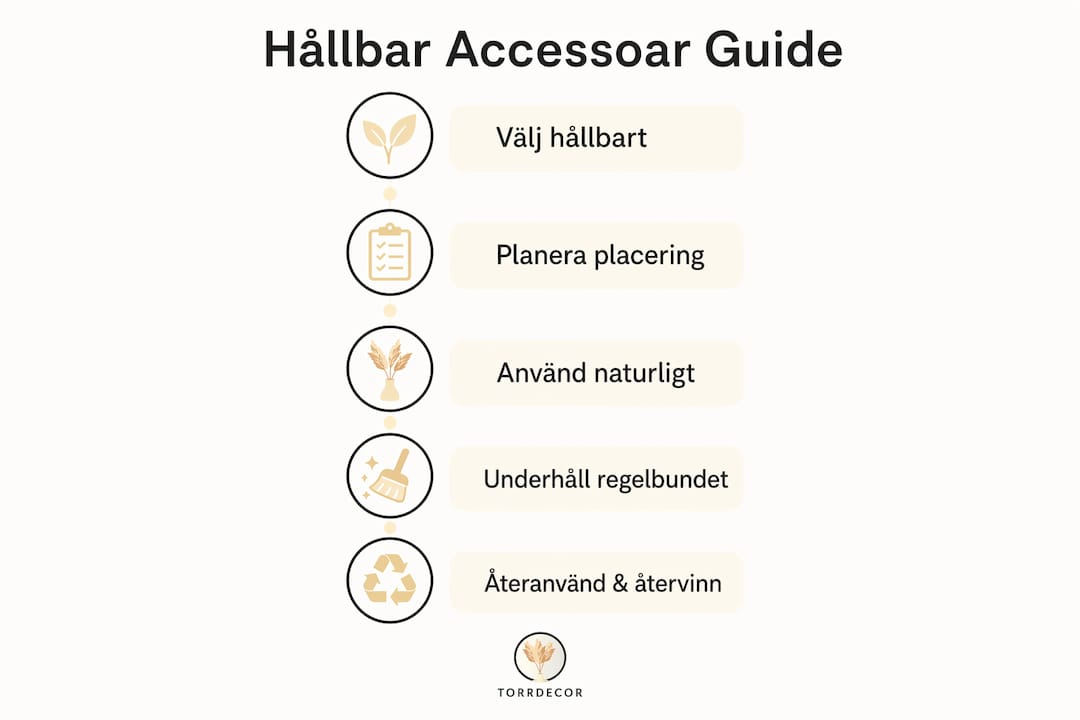
Is Reconditioning the Key to Sustainable Interior Design?
Reconditioning is a professional process to extend the lifespan of furniture and accessories by combining sustainable design with aesthetic renewal. It's not the same as repairing something broken. It's an active design choice that gives old items new relevance and reduces the need for new production. Reconditioning significantly reduces the climate footprint compared to buying new and simultaneously creates aesthetic environments with unique character.
The difference between buying new and reconditioning is significant, both economically and environmentally. New production requires raw materials, energy, and transport. Reconditioning utilizes what already exists and adds new function or a new expression. The result is often more personal and sustainable than mass production can offer.
The benefits of reconditioning can be summarized in four clear points:
- Reduced climate footprint. Extending the life of a piece of furniture requires significantly less energy and material than manufacturing a new one.
- Economic savings. Professional reconditioning saves money and frees up budget for other priorities such as lighting, acoustics, and textiles.
- Aesthetic uniqueness. Reconditioned furniture and accessories combine older design languages with new materials, creating expressions not found in stores.
- Long-term value. Reconditioned items often last longer than newly produced alternatives because they have already proven their durability.
“Reconditioning combines older design languages and new materials to create personal and long-lasting interior environments. This method often yields unique aesthetic expressions that endure over time and are more sustainable than new production.” — Indicum
Choosing secondhand and remake accessories contributes to a unique and sustainable home with character that goes beyond the mass-produced. It's a choice that is visible in the room and felt in one's conscience. You can read more about how long-lasting interior design works in practice at Torrdecor.
How to Integrate Accessories into Sustainable Home Decor
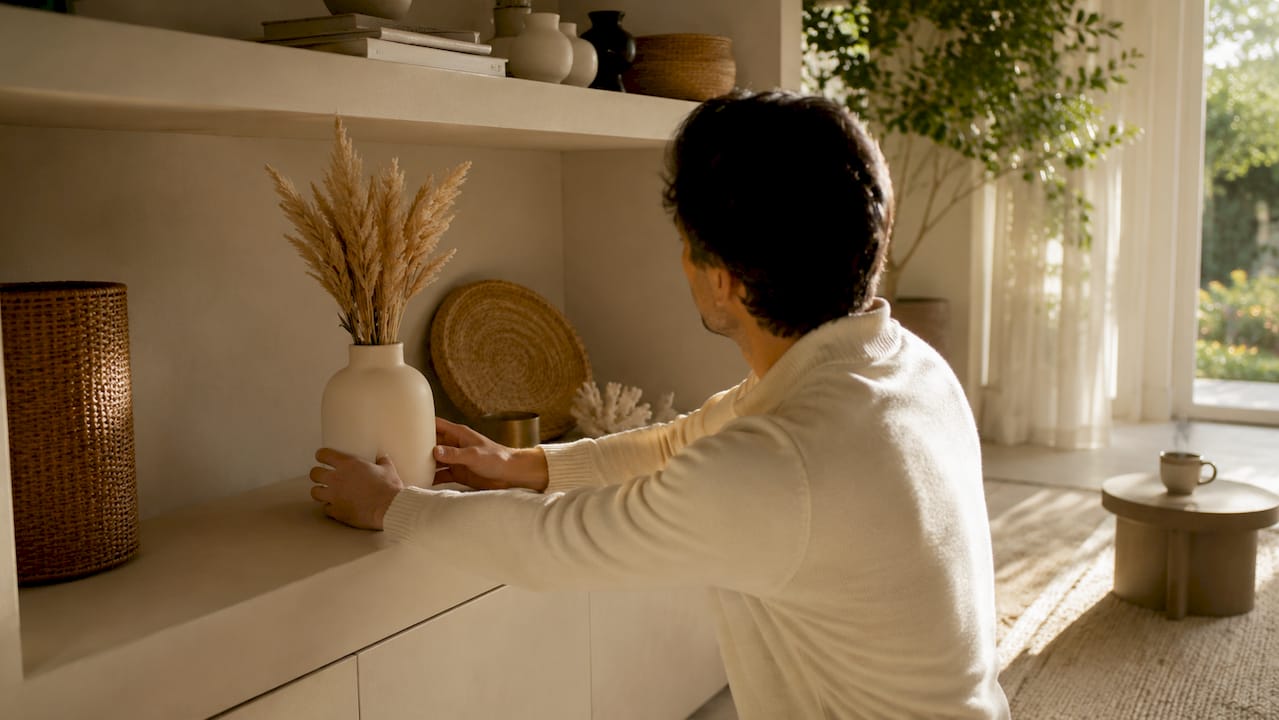
Practical integration of accessories is about seeing every object in the room as part of a whole, not as an isolated decoration. Interior design with accessories is most successful when function and aesthetics work together. A basket is not just storage. It is also form, texture, and color that contribute to the room's feeling.
Designer Sarah Vanrenen shows how baskets and textiles can soften functional surfaces and make them beautiful without losing their practical function. Baskets of different shapes and colors are both decorative and functional for storage and help create order without sacrificing aesthetics. This is a concrete example of how accessories that adorn the home can also solve a practical problem.
Here are the most effective strategies for integrating accessories sustainably:
- Use storage as decoration. Rattan, linen, and ceramics in neutral tones work just as well in the bathroom as in the living room. Choose baskets and boxes that match the room's palette.
- Prioritize natural materials. Dried plants, clay, wood, and stone age beautifully and require minimal maintenance. They fit into sustainable decorative interiors without needing to be replaced every season.
- Mix secondhand with new. A carefully selected secondhand vase next to a new textile creates depth and personality that uniform purchases rarely provide.
- Think in layers. Place accessories at different heights and depths. A vase on the floor, a throw on the sofa, and a painting on the wall create movement in the room without it becoming cluttered.
- Choose quality over quantity. Three thoughtful objects do more for a room than ten random ones. Each accessory should have a clear purpose, visual or practical.
Pro tip: Start by removing all accessories from a room. Then put them back one at a time and pause after each addition. You'll quickly notice when the room feels complete and when you're starting to over-furnish.
Which Accessories are Best Suited for Different Rooms?
Accessories such as vases, lamps, textiles, storage, and decorative objects affect room function and atmosphere to varying degrees depending on material and placement. Each type of accessory has a specific role and works best in the right context. The table below provides a clear overview.
| Accessory type | Function | Best in |
|---|---|---|
| Vases with dried plants | Decorative, natural texture, timeless | Living room, hallway, bedroom |
| Baskets and boxes | Storage, form, texture | Bathroom, kitchen, children's room |
| Textiles (cushions, throws) | Color, warmth, softness | Living room, bedroom |
| Lamps and lanterns | Atmosphere, function, focus | All rooms, especially bedroom and dining room |
| Decorative sculptures | Character, artistic expression | Living room, hallway, bookshelf |
Vases are one of the most versatile accessories in interior design. A decorative vase in clay or ceramic can carry a room on its own if it is correctly placed and filled. Dried plants like pampas grass retain their shape and color for a long time without maintenance, making them a natural choice for those who want sustainable accessories.
Lamps affect the atmosphere more than most people realize. Warm light in a table lamp with a textured shade does more for a room's feel than a ceiling lamp with cold white light. Textiles act as the room's soft layer and are the easiest way to change a room's character without buying new furniture. Choose materials like linen, cotton, or wool to maintain the sustainability aspect.
Key Takeaways
Accessories in interior design create coherence, personality, and sustainability when chosen with clear function and color awareness as a basis.
| Point | Details |
|---|---|
| Color-controlled repetition | Start with a pattern and let its colors guide all other accessories in the room. |
| Reconditioning saves and creates | Reconditioned furniture reduces the climate footprint and provides unique aesthetic expressions that last. |
| Storage is also decoration | Baskets, boxes, and textiles solve practical problems and contribute to the room's overall aesthetic. |
| Quality over quantity | Three thoughtful accessories do more for a room than ten random objects. |
| Natural materials last longer | Dried plants, clay, and wood age beautifully and require minimal maintenance. |
Why Small Details Determine the Whole
There's a pattern I see over and over again in interior design projects: it's never the sofa or the rug that determines whether a room feels finished. It's the vase on the shelf, the basket in the bathroom, and the throw on the sofa. The small details are the final layer, and it's also the layer that carries the room's personality.
I've worked on rooms where the budget was limited but the result impressive, precisely because the accessories were well-thought-out. Reconditioned chairs combined with dried plants and a handmade vase can give a room more character than entirely new furniture from a department store. It's about seeing what already exists and enhancing it with the right details.
What I've also learned is that over-furnishing is a more common problem than under-furnishing. Many add things because it feels empty, but empty spaces are also part of the interior design. A single, well-placed accessory in an otherwise minimalist room communicates more than a shelf full of clutter.
My advice is to start with sustainability as a filter. Ask yourself about every accessory you consider: Will it last for ten years? Does it serve a function, visual or practical? Is it made of materials that age beautifully? If the answer is yes to all three, it's likely a good choice.
— Torrdecor
Sustainable Accessories from Torrdecor
Torrdecor offers a range of dried plants, pampas grass, and handmade vases designed to last a long time and require minimal maintenance. These are accessories that fit directly into a sustainable interior design strategy.
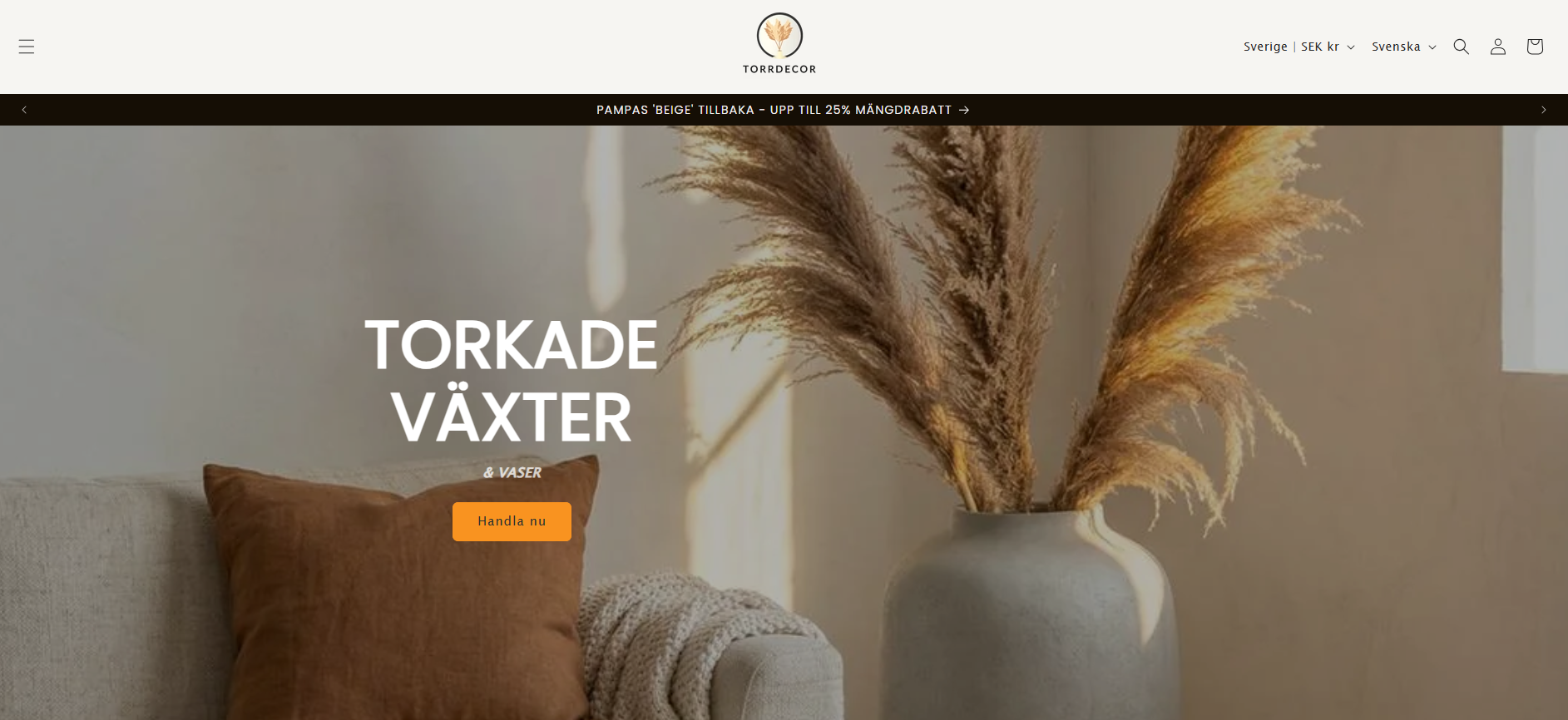
The beige pampas grass in 110 cm is one of Torrdecor's most popular accessories and fits equally well in a minimalist living room as in an industrial hallway. For those who want a more dramatic look, there is Pampas 'VILDA' with a wilder and more natural design language. The vases from Portugal in white clay complement the pampas grass and serve as independent decorative objects. Torrdecor combines aesthetics with sustainability in every product, making it easy to make environmentally smart choices without compromising on style.
FAQ
What is the role of accessories in interior design?
The role of accessories in interior design is to add personality, color, texture, and function to a room. They tie together the other elements of the interior and create a cohesive whole.
How do you style accessories for a harmonious room?
Choose a pattern or textile as a base and let its colors guide the selection of other accessories. Spread the colors evenly throughout the room and avoid gathering all details in one place.
What are the best accessories for sustainable interior design?
Dried plants, ceramic vases, rattan, and linen textiles are among the best accessories for sustainable interior design. They age beautifully, require little maintenance, and do not need to be replaced every season.
What does reconditioning mean in the context of interior design?
Reconditioning means extending the lifespan of furniture and accessories through professional renewal, often combining older design languages with new materials. It reduces the climate footprint and yields unique aesthetic results.
How do you avoid over-furnishing with accessories?
Remove all accessories from the room and then put them back one at a time. Pause after each addition and assess whether the room still feels balanced. Three thoughtful objects are often enough to create a complete and harmonious impression.
0 comments