

In short:
- Interior design is shaped to be functional and appealing, tailored to your lifestyle and taste. Torrdecor specializes in details such as dried plants and handmade vases that add warmth and personality. Trends for 2026 show a shift towards warm, tactile materials and natural color tones that create cozy homes.
Interior design is the art and science of shaping a room to be both functional and aesthetically pleasing, adapted to your lifestyle and preferences. The concept includes everything from furniture selection and color schemes to lighting, textiles, and decorative details. A well-planned home expresses your personality and improves your quality of life every day. Torrdecor works with precisely those details that complete the whole: dried plants, pampas grass, and handmade vases that add warmth and character without demanding care.
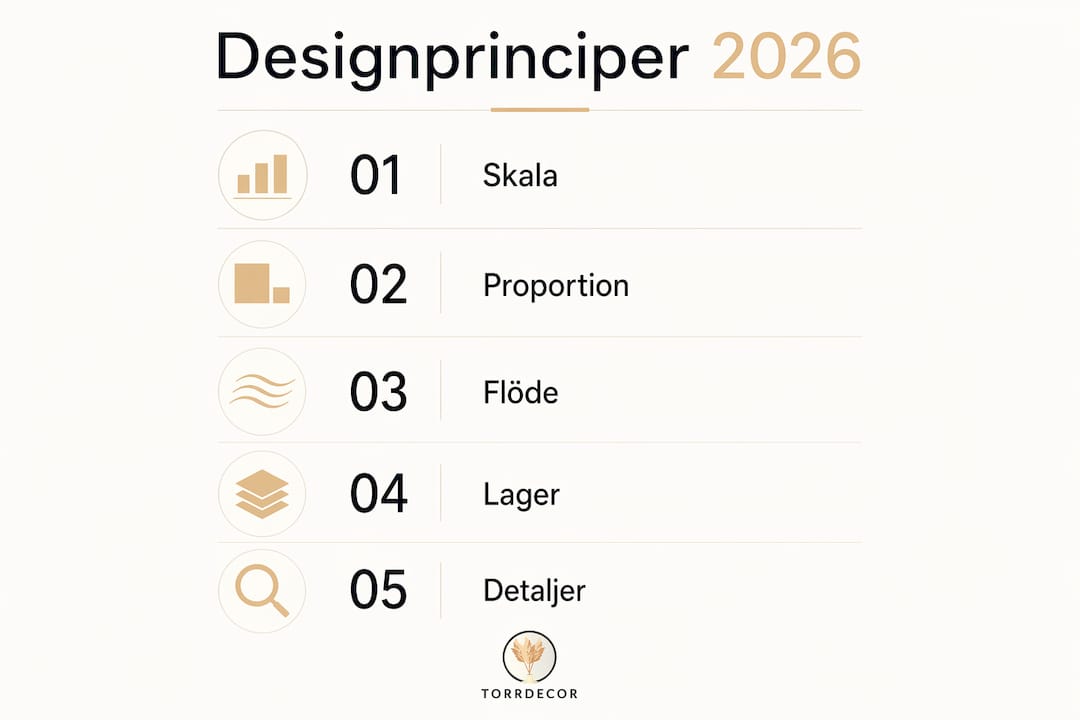
What fundamental principles guide effective interior design?
Scale and proportion are the foundation of a balanced room. Scale refers to how the size of furniture relates to the room's area. Proportion refers to how the furniture relates to each other. A common mistake is buying a sofa that is too large for the living room, which makes other furniture feel undersized and the room seem cramped.
Flow describes how you move through a room. Good flow means there are clear pathways between furniture and that the room feels inviting to move in. Blocked passages create frustration and make the room feel cluttered, even if it is tidy.
Layering is the technique professional designers use to create atmosphere and depth. It involves adding layers of textiles, lighting, and plants on top of the furniture to give the room life and personality. Professional designers describe layering as the final and crucial step in the interior design process.
Common pitfalls to avoid:
- Buying all furniture at once without testing how they work in the room
- Ignoring the role of lighting and relying solely on ceiling lights
- Forgetting to leave empty spaces, which gives the eye rest
- Matching everything too perfectly, which can give a sterile and impersonal impression
Pro tip: Measure the room carefully before shopping and bring a tape measure, a floor plan, and inspiration images when visiting a furniture store or consulting an interior designer. Professional consultations are often offered free of charge and help you adapt your style to the room's conditions.
What are the most influential interior design trends for 2026?
The interior design trends of 2026 mark a clear shift away from the minimalist and sterile aesthetic. The focus is now on warmth, tactility, and materials that feel human and genuine. Trends for 2026 include earthy color palettes with ochre, oxblood, olive, and tobacco hues replacing the cold grays and whites of the previous decade. It is a shift that reflects a broader need for security and a cozy home feeling.
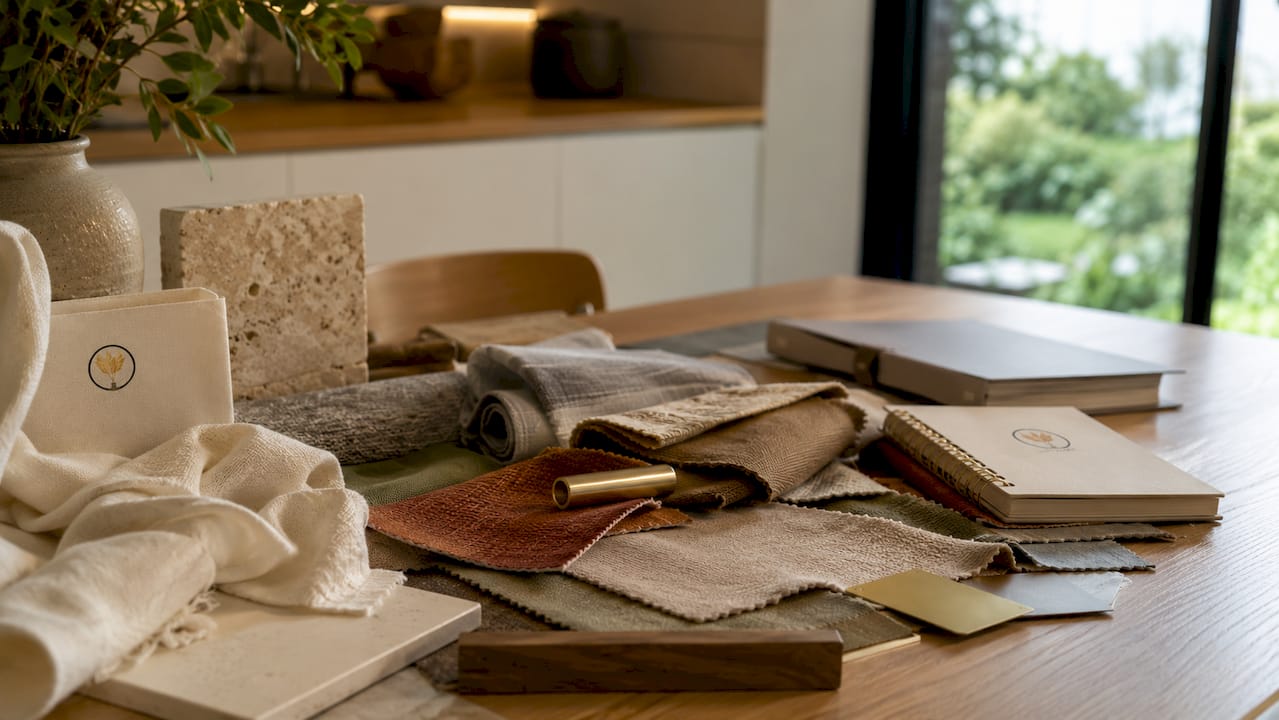
Materials play a central role in this year's trends. Velvet, raw wood, and natural fibers are prioritized for their ability to create warmth and invite touch. Handmade and small-scale furniture is sought after as a counterpoint to mass-produced design, as they add authenticity and a sense of craftsmanship that factory-made products can rarely match.
Color schemes are moving towards monochromatic variations rather than strong contrasting colors. Layers of shades within the same color family create depth and balance without the room feeling overwhelming. A tobacco brown wall combined with beige cushions and a caramel rug provides a cohesive and sophisticated look.
This year's most important trends in brief:
- Earthy colors: ochre, oxblood, olive, and tobacco hues dominate
- Tactile materials: velvet, linen, and raw woods are prioritized
- Handmade details: furniture and decorations with a human touch
- Monochromatic schemes: variations in shades within the same color family
- Away from sterile minimalism: rooms should feel lived-in and cozy
You can read more about how these trends take shape in practice in Torrdecor's guide on trendy home decor 2026.
How can different interior design styles help you shape your home?
Interior design styles are tools, not rules. They help you find a common language for the choices you make, but they should never limit you. Design experts emphasize that a home should feel warm and comfortable rather than strictly matched to the house's architecture or a specific style.
Popular interior design styles and their characteristics
Scandinavian style is based on simplicity, light colors, and natural materials. Functionality is key, and every item should have a purpose. It's a style that suits Swedish homes well but can easily become too clinical if not balanced with warmth.
Bohemian style welcomes layers, patterns, and personal items from different cultures and eras. It's a style that allows experimentation and benefits from dried plants, warm-toned textiles, and handmade details.
Maximalist style embraces the full and rich. Here, more is always more, but it requires a thoughtful eye to avoid chaos. Clustering art, books, and decorations is a central feature.
Industrial style draws inspiration from factories and warehouses with exposed concrete walls, metal, and raw wood. It works best when softened with textiles and organic forms.
| Style | Color Palette | Key Details |
|---|---|---|
| Scandinavian | White, beige, gray | Wood, linen, simplicity |
| Bohemian | Terracotta, gold, green | Patterns, layers, craftsmanship |
| Maximalist | Deep, rich tones | Art, books, collections |
| Industrial | Gray, black, brown | Metal, concrete, raw surface |
Mixing styles often yields the most personal and interesting results. Start with one style as a base and add details from another. A Scandinavian base with bohemian textiles and dried plants from Torrdecor creates a home that feels both airy and cozy. Read more about how to create a sustainable and personal home with the right material choices.
What styling techniques create cozy and lively rooms?
The atmosphere in a room is not created by furniture. It's built with details. The lively feeling is added through layers of textiles, light, and personal objects rather than large furniture. This insight changes how you think about interior design: the furniture is the stage, but the details are the performance.
Textiles and layering
Rugs, pillows, and throws are the quickest ways to make a room warmer. A rug defines a seating area and visually ties the furniture together. Pillows in different sizes and textures add depth. A throw draped over a sofa signals comfort and invites relaxation.
Multi-level lighting
Ceiling lights alone make a room flat and cold. Combine floor lamps, table lamps, and candle holders to create warmth and depth. Multiple light sources at different levels make walls feel further away and the room appear larger and more inviting.
Mirrors and space
A mirror placed at “eye level” reflects light and creates a sense of openness. Effective mirror placement is about reflecting the room's best corner, such as a window or a beautiful lamp, rather than just hanging it on a random wall.
Clustering and decorative details
Single ornaments often look lonely and lost. Clustering vases, paintings, or candlesticks creates a more thoughtful and sophisticated look. Groups of three objects at different heights are a classic technique that works in almost any style.
Personal items are what distinguish a well-designed room from a home. Books you've actually read, photos from travels, and handmade items you've collected tell your story. Torrdecor's dried bouquets and pampas grass are excellent for such groupings, as they add organic texture and natural warmth without requiring maintenance. Also, see Torrdecor's guide on shelf styling at home for concrete tips on how to arrange decorations with style.
Pro tip: Avoid placing the mirror directly opposite the front door. This creates a feeling that energy leaves the room immediately. Instead, place it so that it reflects a window or a lamp for maximum effect.
Key insights
A well-planned home is built on layering of details, thoughtful color schemes, and a personal mix of styles that prioritize feeling and comfort over strict rules.
| Point | Details |
|---|---|
| Scale and proportion | Measure the room before buying furniture to avoid imbalance and crampedness. |
| Layering creates atmosphere | Textiles, lighting, and plants create the mood more than furniture does. |
| 2026 trends: warmth and tactility | Earthy colors and handmade details replace sterile minimalism. |
| Mix interior styles | Use one style as a base and add details from another for a personal result. |
| Clustering of decorations | Groups of three objects at different heights give a sophisticated and harmonious impression. |
Interior design that feels alive, not just pretty
There's a difference between a room that looks good in pictures and a room that feels good to live in. That difference is almost always about details and how well the room reflects the person living there.
I've seen many homes that are technically correctly decorated: right proportions, right colors, right furniture. But they lack life. This is almost always because the owner has followed a trend or a style guide too slavishly, without adding anything personal. A home needs traces of the person who lives there.
What I always come back to is that feeling is prioritized over visual perfection. Choose materials you want to touch. Choose colors that make you calm or happy, not colors that “should” fit. And dare to experiment with texture, because it's texture that makes a room interesting up close.
Sustainability isn't just about the environment. It's also about choosing things you actually want to live with for ten years. Dried plants and handmade vases are a good example: they require no maintenance, they age gracefully, and they add an organic presence that plastic decorations can never provide. These are the kinds of choices that make a home timeless rather than trendy.
— a4
Torrdecor's interior design details for a warm and personal home
The right accessories complete a room's feel in a way that furniture alone never can. Torrdecor offers a range of dried plants, pampas grass, and handmade vases that fit into most interior design styles and last a long time without maintenance.
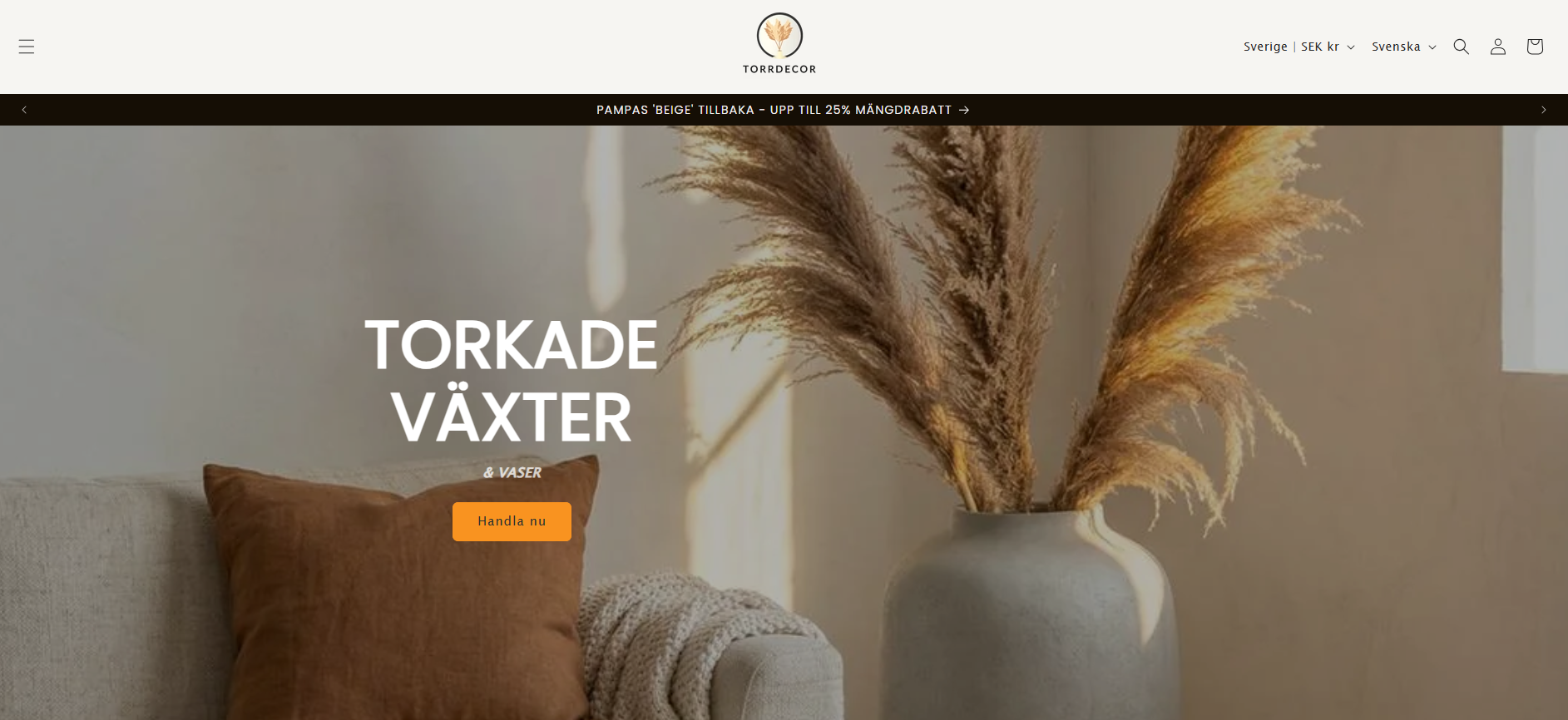
The elegant 110 cm beige pampas grass adds soft texture and natural warmth to living rooms and bedrooms. The handmade 'BÅGE' vase in cream, made in Portugal, combines timeless design with a natural feel that suits both Scandinavian and Bohemian styles. The products are created for those who want beautiful details without compromising on sustainability or simplicity. Visit Torrdecor for more inspiration and to find the details that make your home uniquely yours.
Frequently Asked Questions
What is interior design and what does it entail?
Interior design is the process of planning and designing indoor environments with a focus on function, aesthetics, and personal style. It includes the selection of furniture, colors, lighting, textiles, and decorative details.
Which interior design styles are most popular in 2026?
Scandinavian, Bohemian, and Maximalist styles remain popular. The trend for 2026 is to mix styles and prioritize warmth, tactile materials, and personal details over strict style rules.
How do I choose the right colors for my home?
Choose colors based on how they make you feel, not solely on trends. Monochromatic schemes with variations in shades within the same color family create a harmonious and deep expression without the room feeling overwhelming.
How do I create a cozy room with simple means?
Add layers of textiles like rugs, pillows, and throws, combine multi-level lighting, and group decorations in clusters of three objects. These three measures significantly change the room's feel without great cost.
Do dried plants fit into modern interior design?
Dried plants fit into most interior design styles and are particularly popular in 2026 due to their focus on natural, tactile materials. They require no maintenance and add organic texture and warmth that complement both Scandinavian and Bohemian styles.
0 comments