

TL;DR:
- White vases are a timeless and versatile choice that suits all interior styles and lasts for many years. They contribute to harmony and elevate other decorative elements, especially when paired with dried flowers. Choosing the right material, shape, and proportions is crucial for long-lasting aesthetics and function.
Choosing a vase is one of the most underestimated decisions in home decor. A wrong vase can distract from the flowers, clash with the room's color palette, or feel dated after a couple of seasons. This is where the benefits of white vases become clear. White vases fit almost all interior styles, complement both fresh and dried flowers, and remain relevant year after year. This article explores what actually makes white vases such a smart choice for those who want a decor that lasts over time.
Table of Contents
- Key Takeaways
- 1. Benefits of White Vases: Why They Are a Timeless Choice
- 2. Criteria for Choosing the Right White Vases: Material, Shape, and Durability
- 3. Different Types of White Vases and Their Benefits for Interior Design
- 4. Comparison: White Vases in Ceramic vs. Clay vs. Glass
- 5. Practical Tips for Integrating White Vases into Sustainable Decor
- 6. The Role of White Vases in Sustainable Decor: My Experience
- Find Your White Vase at Torrdecor
- FAQ
Key Takeaways
| Point | Details |
|---|---|
| Timeless and versatile choice | White vases suit all interior styles and don't need to be replaced when trends shift. |
| Material affects durability | Ceramic and white clay are robust materials that last long and require minimal maintenance. |
| Proportions are crucial | The vase's height and neck width should be adapted to the bouquet type for the best aesthetic result. |
| Perfect for dried flowers | White vases and dried bouquets are a combination that offers longevity and minimal care. |
| Basic wardrobe of four vases | A set of four white vases in different sizes covers most decorating needs at home. |
1. Benefits of White Vases: Why They Are a Timeless Choice
White vases have a unique ability to blend into their surroundings without disappearing. They don't compete with the flowers, textiles, or furniture in the room. Instead, they create a calm base that allows other elements to take center stage.
Neutral white ceramic vases provide a calm Nordic feel and highlight other decorative elements in the room. This is one of the reasons why Scandinavian interior design consistently returns to white as a base color.
What makes white vases particularly smart from an economic and sustainable perspective is that they don't age in the same way as trendy colors. A terracotta-colored vase might feel perfect one year and out of place the next. A white vase is still relevant ten years from now. It's a purchase you make once and keep for a long time.
White vases contribute to a harmonious overall impression that better accentuates other colors and textures in the room. It's not a compromise. It's a conscious choice.
2. Criteria for Choosing the Right White Vases: Material, Shape, and Durability
Understanding what distinguishes a good white vase from a mediocre one comes down to three things: material, shape, and how well it suits your actual use case.
Material
The most common materials for white vases are ceramic, white clay, and glass. Each material has its distinct strengths:
- Ceramic is the most versatile option. It comes in both matte and glazed finishes, holds water well, and is stable enough to stand on the floor without tipping over.
- White clay provides a warmer, more organic expression. Natural materials like white clay offer both warmth and timeless qualities that suit sustainable decor.
- Glass in white or frosted gives an airy impression and lets light play. It's a good choice when you want to showcase flower stems as part of the decor.
Shape and Proportions
The shape of the vase matters more than you might think. The vase's height should be approximately half to two-thirds of the stems' length to create harmonious balance. A vase that is too tall hides the flowers. One that is too short provides no stability for the arrangement.
The neck width also plays a significant role. A narrow neck holds the bouquet together naturally. A wide opening gives you more freedom to arrange but requires more flowers to fill it out.
- Narrow neck: suitable for tulips, roses, and simple bouquets
- Wide opening: suitable for pampas grass, dried bouquets, and wild arrangements
- Medium opening: the most flexible option for everyday use
Durability Related to Material Choice
Heavier materials reduce the risk of the vase tipping over and getting damaged. This is a practical advantage often overlooked when choosing a vase. A stable ceramic floor vase with a tall pampas grass arrangement is a much safer choice than a light glass vase.
Pro Tip: Always choose a vase with a weight that matches its placement. A heavy ceramic floor vase is stable and safe, while a lighter glass vase is better suited for a shelf or table where it's less likely to tip over.
3. Different Types of White Vases and Their Benefits for Interior Design
There are more variations of white vases than most people realize. Each type has its specific strengths depending on where you place it and what you want to achieve.
Matte Ceramic Vase
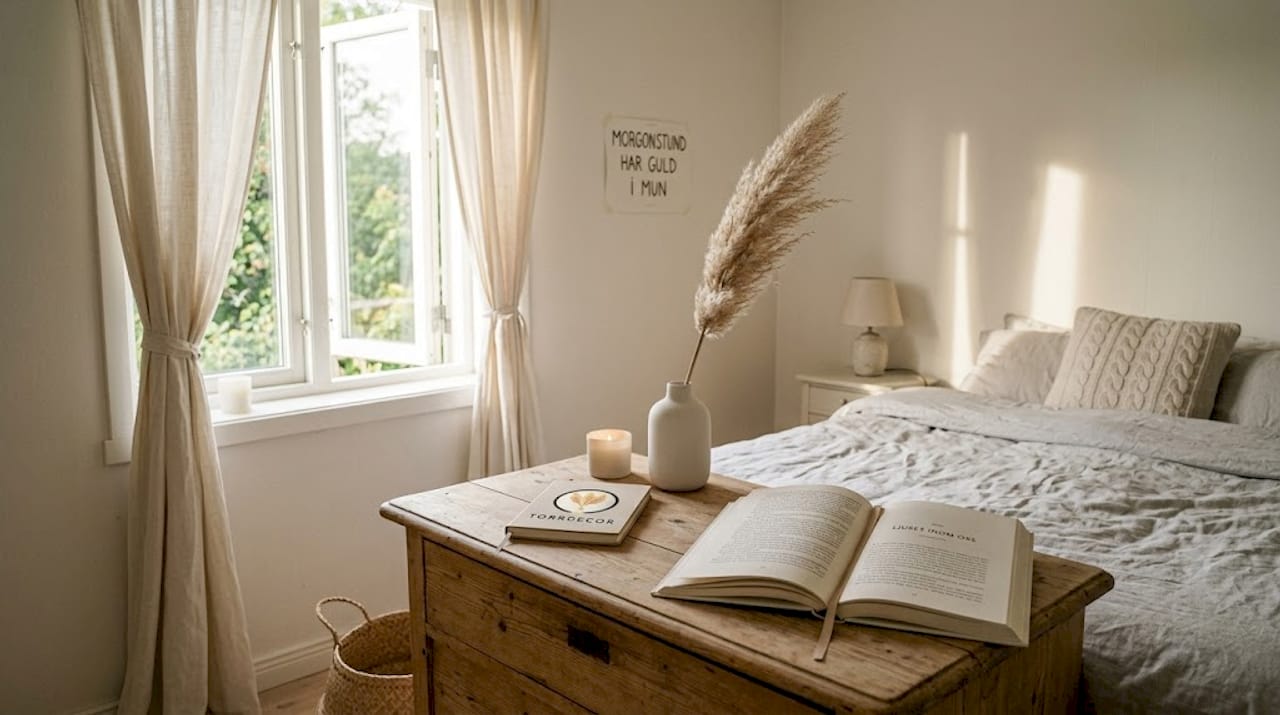
A matte white ceramic vase provides a soft, subdued expression without reflections. It's perfect for bedrooms, living rooms, and minimalist environments. The matte surface hides fingerprints and dust better than glazed alternatives, making it more practical for everyday use.
Glazed Ceramic Vase
The glazed variant reflects light and adds shine to the room. It's easier to clean and suitable for kitchens and bathrooms where moisture may be present. Glazed white vases also give a more classic and polished impression.
White Clay Pots and Clay Vases
White clay pots are robust and stable alternatives with an earthy expression. They are often handmade, giving each piece a unique character. Benefits of white clay pots include their natural weight, durability, and the fact that they pair equally well with dried and fresh flowers.
The advantages of white clay vases are similar: they provide an organic, warm impression that balances modern and rustic interior styles. They are also more environmentally friendly than many synthetic alternatives.
Sculptural White Vases in Scandinavian Style
Vases with a characteristic shape can stand alone as works of art, completely without flowers. This is one of the most underrated benefits of white vases in Scandinavian design. A well-shaped white vase on a bookshelf or side table needs nothing more to look complete.
White Floor Vases
A large white floor vase is one of the most effective ways to transform a room without buying new furniture. Place it in a corner with a tall pampas grass arrangement, and you've created a focal point that takes up the entire height of the room. It's an easy way to create harmony in the home with a single object.
White Glass Vases
White or frosted glass vases give an airy and light impression. They are good for showcasing flower stems as part of the decoration and suit bright, modern homes. The downside is that they are more susceptible to impacts and require more cleaning if you use them with water.
4. Comparison: White Vases in Ceramic vs. Clay vs. Glass
Choosing between the three most common materials is about matching your needs with the material's properties. The table below gives you a clear overview.
| Property | Ceramic | White Clay | Glass |
|---|---|---|---|
| Aesthetics | Matte or glazed, clean surface | Organic, warm, handmade feel | Transparent or frosted, airy |
| Durability | High, resistant to impacts | High, naturally robust | Medium, susceptible to impacts |
| Maintenance | Easy, water-resistant | Easy, water-resistant | Requires more cleaning |
| Weight and stability | Heavy, stable | Heavy, stable | Light to medium weight |
| Price level | Medium to high | Medium | Low to medium |
| Suits interior style | Minimalism, Nordic, modern | Rustic, organic, bohemian | Modern, Scandinavian, bright |
| Suits dried flowers | Yes, excellent | Yes, excellent | Yes, with reservations |
Ceramic and white clay are clearly the best choices for those who want a vase that lasts long and requires minimal maintenance. Advantages of white ceramic vases include their versatility and the fact that they work equally well with dried and fresh flowers. The main advantages of white clay are its natural origin and the organic expression that suits many modern homes.
Glass is a good complement but rarely a first choice if you're looking for durability and easy care.
Pro Tip: If you're only buying one white vase, choose a matte ceramic vase of medium size with a medium opening. It's the most flexible option and suits most bouquets and arrangements, whether dried or fresh.
5. Practical Tips for Integrating White Vases into Sustainable Decor
Having white vases at home is one thing. Using them in a way that truly elevates the room is another. Here are the most concrete tips for success.
Combine Several White Vases for Dynamics
A basic set of three to four vases in different sizes can handle most bouquets and occasions. Place them in a group on a table or shelf, but vary the height. A tall narrow vase next to a low wide one creates more interest than three identical vases in a row.
It's about creating visual movement. The eye seeks variation, and when you mix shapes and heights within the same white color palette, you visually unify the group without it looking cluttered.
White Vases with Dried Flowers Are the Sustainable Choice
The combination of white vases and dried bouquets is one of the most practical solutions for sustainable decor. Reusing white ceramic vases with dried flowers reduces resource consumption and maintenance in a concrete way. You don't need to change water, trim stems, or throw away withered flowers every week.
Dried bouquets last for months, sometimes years, without losing their appeal. It's a smart choice for those who want stylish decor without spending time on maintenance.
Care of White Ceramic and Clay Pots
White vases are generally easy to keep clean. Wipe them with a damp cloth when needed. If you use them with water and fresh flowers, rinse them thoroughly after each bouquet to prevent limescale and discoloration. Clean water and clean vessels are crucial factors for flowers to last longer.
For white clay pots, avoid letting them stand in stagnant water for extended periods, as clay can absorb moisture and cause stains on the outside.
Seasonal Adaptation with White Vases
One of the great advantages of white vases is that you can change the contents according to the season without changing the vase. Pampas grass and dried bouquets in autumn. Greenery and tulips in spring. Dry branches and pinecones in winter. The vase is always the same. It's an economical and sustainable way to keep the decor fresh.
Proportions and Placement
The vase's proportions should be adapted to the bouquet type for maximum aesthetics and flower support. A tall vase on a low coffee table can feel overwhelming. A small vase on a tall cabinet disappears. Remember that the vase and its contents should be perceived as a whole in relation to the furniture it is placed on.
6. The Role of White Vases in Sustainable Decor: My Experience
I have seen many interior design decisions come and go, and a pattern recurs again and again: those who buy white vases rarely regret it. Those who buy trendy colors do so much more often.
What I have learned is that white vases are not a neutral choice in a negative sense. It is an active choice for flexibility. When you choose a good quality white ceramic vase, you buy the freedom to change everything else in the room without the vase getting in the way. It is a type of freedom that is difficult to appreciate until you actually have it.
A common misconception I encounter is that white vases are boring or impersonal. That is not true. A handmade white clay vase from Portugal has more personality than a mass-produced colored vase from a discount store. It's about shape, texture, and craftsmanship, not color.
I have also seen how the combination of white vases and dried flowers for sustainable styling changes how people think about care. Many believe that decor requires constant maintenance. A white vase with a well-chosen dried arrangement proves the opposite. You set it once, and it looks good for months.
The advice I give to everyone who asks me is simple: start with a white ceramic or clay vase, choose a shape you truly like, and pair it with dried flowers. It's the simplest way to create a decor that feels thoughtful without requiring a lot of time or money.
— Torrdecor
Find Your White Vase at Torrdecor
Torrdecor offers a carefully selected range of white ceramic and white clay vases, manufactured in Portugal with a focus on sustainability and craftsmanship. The vases are designed to suit modern homes and work equally well with fresh flowers as with dried arrangements.

Complementing the vases, you'll find a wide selection of dried bouquets for decor that are designed to be combined with white vases. The bouquets require no maintenance and retain their shape and color for a long time, making them a natural choice for those who want stylish decor without hassle. Torrdecor also has specific models like bouquet ÅTERBLOM, made from recycled dried flowers for those who prioritize sustainability in every purchasing decision. Explore the range and find the combination that suits your home.
FAQ
Why are white vases so popular in interior design?
White vases are popular because they are timeless and suit all interior styles. They don't compete with flowers or other decorative elements but create a calm and harmonious base in the room.
What is the difference between a ceramic vase and a white clay vase?
A white ceramic vase is often glazed or matte with a smoother surface, while a white clay vase offers a more organic and handmade expression. Both are sturdy and durable, but clay vases are better suited for rustic and bohemian settings.
How many white vases do you need at home?
A basic set of three to four white vases in different sizes covers most decorating needs. A large floor vase, a medium-sized table vase, and one or two smaller vases give you flexibility for all types of arrangements and occasions.
Do white vases go well with dried flowers?
Yes, white vases and dried flowers are one of the best combinations for sustainable decor. Dried bouquets require no water and last for months, making them a practical and stylish alternative for white ceramic or clay vases.
How do you care for a white ceramic vase?
Wipe the vase with a damp cloth as needed. If you use it with water and fresh flowers, rinse it thoroughly after each bouquet to prevent limescale buildup and discoloration on the inside.
0 comments