

Ceramic vases add durability and style to your home decor
Many choose glass or metal when looking for vases, but ceramics offer something other materials rarely can match. Ceramic vases provide warmth, weight, and stability to the decor in a way that feels both timeless and personal. They are particularly well-suited for Swedish homes where dried plants like pampas grass have become a natural part of the interior design. In this article, we will go through why ceramics are a smart material choice, how to use ceramic vases with dried plants, and what you need to consider if you want to place them outdoors.
Table of Contents
- Ceramics' unique properties compared to glass and metal
- Durability and long-lasting aesthetics with ceramic vases
- Ceramic vases for dried plants and floral arrangements
- Considerations for outdoor use: frost-resistant ceramic vases
- Find the right ceramic vases and dried plants at Torrdecor
- Frequently asked questions about ceramic vases
Key Insights
| Point | Details |
|---|---|
| Stability and warmth | Ceramic vases provide a sturdy and warm feel to the decor that glass and metal lack. |
| Durable decor | Ceramic vases contribute to both long-lasting aesthetics and a more environmentally conscious interior. |
| Perfect for dried plants | Ceramic vases are ideal for arrangements of pampas grass and other dried plants. |
| Frost-resistant options | For outdoor use, choose frost-resistant ceramics or stoneware to avoid damage. |
| Inspiring choices | The right ceramic vase elevates the decor with both personality and function. |
Ceramics' unique properties compared to glass and metal
When choosing a vase, it's not just about appearance. The material affects the feel of the room, the stability on the shelf, and how long the vase lasts. Ceramics, glass, and metal all have their strengths, but the differences are clear once you know what you're looking for.
Ceramic vases provide warmth and stability in the decor, unlike the transparency of glass and the modern feel of metal. This is an important distinction that affects the entire room's atmosphere.
| Property | Ceramic | Glass | Metal |
|---|---|---|---|
| Weight and stability | High | Low to medium | Medium |
| Warmth in the room | High | Low | Low |
| Visible stems | No | Yes | No |
| Durability | Very high | Medium | High |
| Feel and character | Warm and personal | Cool and neutral | Modern and industrial |
Glass is transparent and highlights stems and arrangements beautifully. However, it can feel cold and fragile, and a dropped glass vase is rarely repairable. Metal gives a modern and sometimes industrial feel, but lacks the warmth and tradition that ceramics carry.
Ceramics contribute to a warm and personal atmosphere in the home. It is a material that feels like craftsmanship and care, whether the vase is simple or more ornate. Some concrete advantages of ceramics:
- Heavier and sturdier than glass and metal, which reduces the risk of the vase tipping over
- Opaque material that conceals stems and gives a clean, sculptural impression
- Natural warmth in the surface that suits organic materials like dried plants
- Broad stylistic flexibility from rustic to minimalist
The Portuguese vases, made with traditional craftsmanship, are a good example of how ceramics can combine function with aesthetics. And if you're looking for a clean and modern expression, white clay vases are a popular choice that suits most interior styles.
Durability and long-lasting aesthetics with ceramic vases
A ceramic vase is not just beautiful. It is also a long-term choice for those who want to invest in enduring decor. Unlike glass, which cracks easily, or metal, which can rust, ceramics age in a way that often makes them even more characterful.
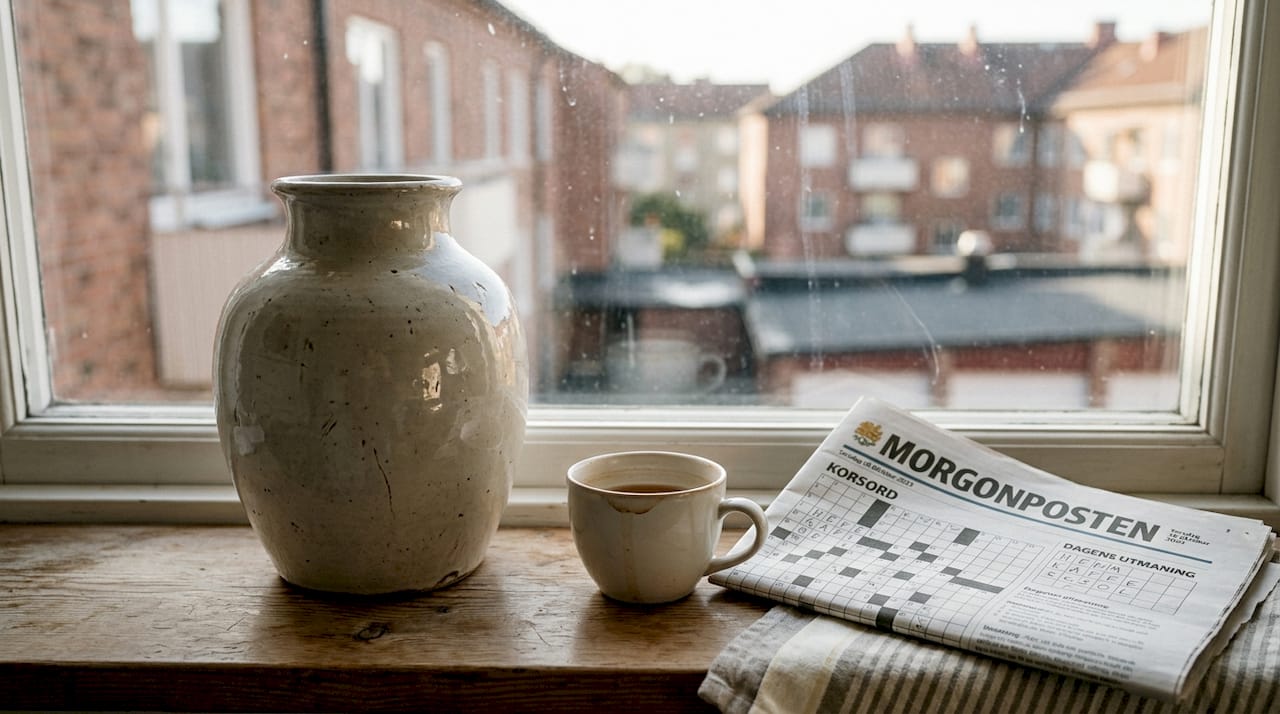
Ceramic vases are durable and timeless and can increase in value over time, supporting a more sustainable interior style. This makes them a smart choice for those who want to buy fewer but better items.
| Material Type | Average Lifespan | Environmental Impact | Potential Value Increase |
|---|---|---|---|
| Ceramic | Very long | Low | Yes, especially handmade |
| Glass | Medium | Medium | Rarely |
| Metal | Long | Medium to high | Sometimes |
| Plastic | Short | High | No |
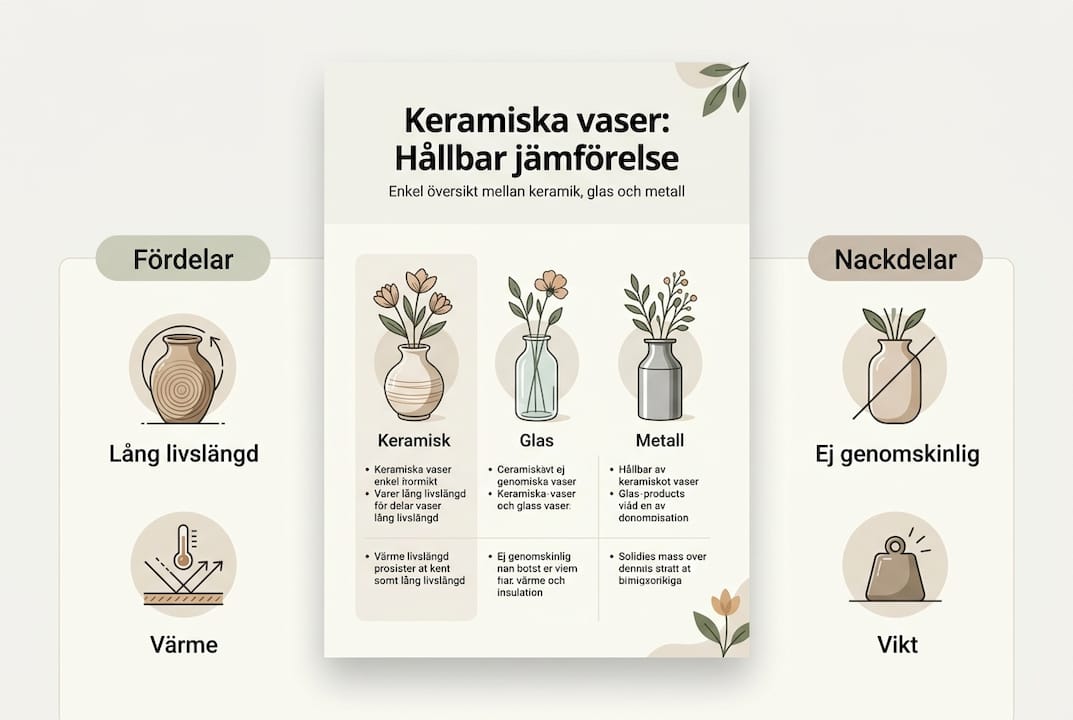
For environmentally conscious homes and events, ceramics are a natural choice. They are made from natural materials, require no special chemical treatment, and can be recycled. Handmade ceramic vases are also unique, making them potential collector's items.
Advantages of ceramics from a sustainability perspective:
- Made from natural raw materials like clay and minerals
- Requires minimal maintenance and no chemical cleaning agents
- Retains its shape and color without fading or rusting
- Can become an heirloom passed down through generations
Pro tip: Choose handmade ceramic vases if you want extra durability and uniqueness. Handmade vases often have thicker bodies and can withstand more than mass-produced alternatives. They are also more likely to increase in value over time.
If you want to see concrete examples of how ceramics are used in sustainable decor, you can look at sustainable vase examples or read more about sustainable floral decor. At about Torrdecor, you can also read more about the philosophy behind the assortment.
Ceramic vases for dried plants and floral arrangements
Dried plants have become one of the strongest interior design trends in recent years, and ceramics are the material that suits them best. The reason is simple: the weight and opaque surface of ceramics complement the organic forms of dried plants in a natural way.
Ceramics are excellent for dried plants like pampas grass, as the opaque material conceals stems and adds warmth. A ceramic vase also functions as a sculpture even when empty.
It's true that ceramic vases are heavier and sturdier on the table, which is practical when working with large arrangements of dried plants that can be bulky and lightweight.
Popular dried plants for ceramic vases:
- Pampas grass in beige or white, provides volume and softness
- Dried eucalyptus, fragrant and decorative with silvery-green leaves
- Lagurus (hare's-tail grass), small and fluffy, suitable in clusters
- Dried sunflowers, add color and character
- Dried lavender, fragrant and romantic
- Wheat and rye, rustic and natural
How to arrange dried plants in a ceramic vase:
- Choose a vase of the right size for your arrangement. A narrow neck keeps stems gathered, a wide opening gives a airier impression.
- Cut stems to different lengths for a natural depth in the arrangement.
- Start with the thickest and heaviest stems in the middle for support.
- Fill in with lighter material around for volume and movement.
- Adjust and rotate the vase to view the arrangement from all angles.
To create harmony with vases in your home, it's good to consider height, shape, and color. Feel free to read our dried plants care guide to keep your arrangements fresh longer. A popular choice is pampas grass beige 110 cm which fits perfectly in a large ceramic vase.
Considerations for outdoor use: frost-resistant ceramic vases
Ceramic vases are fantastic indoors, but if you want to use them on the terrace or in the garden, you need to be more careful with material selection. The Swedish climate, with cold winters and repeated freeze cycles, can destroy a vase not designed for it.
Water penetrates porous material, freezes, and expands. This can crack the vase from within without you noticing until the damage is already done. It's normal for many vases not to withstand this, but there are good alternatives.
Not all ceramic vases are frost-resistant for outdoor use. You should choose frost-resistant ceramics or stoneware if the vase is to stand outside during winter.
Statistics: Among ceramic vases sold in Sweden, a relatively small percentage are marked as frost-resistant. Most decorative vases are intended for indoor use, making it extra important to check product information before purchase.
Pro tip: Always check if the vase is marked as frost-resistant or made of stoneware before placing it outdoors. Stoneware is more densely fired and absorbs less water, making it more resistant to frost.
Materials suitable for outdoor use:
- Stoneware, densely fired and frost-resistant
- Terracotta with glaze, if the glaze layer is intact and sealed
- Concrete, heavy but very resistant to weather and wind
- Cast iron and stainless steel, can withstand frost but offers a different aesthetic
If you are unsure whether your vase can withstand water and moisture, you can read more about the difference in our guide on water-resistant ceramic vases. It's a simple check that can save you from a broken vase next spring.
Find the right ceramic vases and dried plants at Torrdecor
Now that you know what distinguishes ceramics from other materials, how to arrange dried plants, and what to consider for outdoor use, the next step is to find the right products. At Torrdecor, you'll find a wide range of ceramic vases made in Portugal, from white clay and with a timeless design that suits most homes.
We also offer a large pampas grass assortment with different varieties, colors, and sizes that fit perfectly in ceramic vases. Whether you are decorating a home, planning an event, or seeking inspiration for your store, you will find what you need at Torrdecor. The assortment is carefully selected to combine durability, simplicity, and style, just like ceramics themselves.
Frequently asked questions about ceramic vases
What makes ceramic vases more durable than glass and metal?
Ceramic vases are durable and timeless, aging beautifully without rusting or cracking as easily as glass. They require minimal maintenance and can last for generations.
Can I use a ceramic vase outdoors in Sweden?
Yes, but only if the vase is marked as frost-resistant or made of stoneware. Not all ceramic vases can withstand frost, so always check the product information before placing the vase outdoors during winter.
What types of dried plants are best suited for ceramic vases?
Pampas grass, dried eucalyptus, and lagurus are popular choices that look excellent in ceramic vases. Ceramics are ideal for pampas grass as the opaque material conceals the stems and gives a clean impression.
Are ceramic vases always heavy and stable?
Ceramic vases are generally heavier and sturdier than glass and metal, but weight and stability vary depending on the vase's size and design. Thicker material provides more stability.
Recommendation
- Examples of decorative vases for sustainable decor – Torrdecor
- Can ceramic vases withstand water? The difference between a water-resistant vase vs. a decorative vase – Torrdecor
- Decorating with vases: Create harmony in your home with unique vases – Torrdecor
- Portuguese vases: 5 features that enhance your decor – Torrdecor
- Ceramic Gallery | Fliesen Kugel