

Examples of decorative vases for sustainable interior design
Choosing the right decorative vases for your home or event can feel overwhelming when you want to combine style with sustainability. The material, shape, and function all play a crucial role in how well the vase fits your decor and how long it lasts. This article guides you through the most important criteria for selecting vases that both look fantastic and meet practical needs. You’ll get concrete examples of inspiring vase designs and learn how to match the right vase with your home or event.
Table of Contents
- Key Insights
- Criteria for Choosing Decorative Vases
- Inspiring Examples of Decorative Vases
- Comparison of Popular Decorative Vases
- Recommendations for Different Uses
- Discover Sustainable and Stylish Vases at Torrdecor
- Frequently Asked Questions about Decorative Vases
Key Insights
| Point | Details |
|---|---|
| Material and Durability | Choose the vase's material based on durability and visual expression such as ceramic, porcelain, or glass, depending on the style. |
| Size and Shape Adaptation | The vase should harmonize with the flowers and the room's proportions so that it neither dominates nor disappears. |
| Maintenance Needs Important | Expect regular cleaning and water changes depending on the material and type of cut flowers. |
| Area of Use and Weather Resistance | The area of use dictates requirements for water resistance and weather resistance, as well as appropriate size depending on whether the vase is for indoor or outdoor use. |
| Example Vases Inspire | Vase Nature from Byon illustrates a sculptural form that works equally well empty or filled and adds character to modern and minimalist homes. |
Key Insights
Here are the central points you will learn about choosing and using decorative vases:
| Aspect | Important Information |
|---|---|
| Material | Ceramic, porcelain, and glass offer different aesthetics and durability |
| Size and shape | Must match flower style and room proportions |
| Function | Water resistance determines if the vase is decorative or functional |
| Maintenance | Regular care extends the lifespan of cut flowers |
| Area of use | Frost-resistant vases are suitable for outdoor events, sculptural ones for indoors |
| Durability | Choose timeless materials that last for generations |
Criteria for Choosing Decorative Vases
When selecting a decorative vase, several factors influence both aesthetics and function. The choice of material is fundamental, as it determines the vase's durability and visual character. Ceramic and porcelain offer a warm, organic feel that suits Scandinavian and bohemian decor, while glass provides an airy, modern touch. Decorating with vases is about finding the balance between form and function.
The size and shape of the vase must harmonize with both the flowers you plan to use and the room where the vase will be placed. A tall, narrow vase highlights long-stemmed flowers like tulips or roses, while a wide, low vase is better suited for compact bouquets or branches. Consider the proportions of the room as well; a vase that is too large in a small space can dominate, while one that is too small can disappear in a large room. The vase's opening also plays a role; a wide opening allows more freedom to arrange flowers, while a narrow opening keeps the bouquet together.
Maintenance of the vase and flowers is crucial for extending the life of the decoration. For cut flowers, it is recommended to cut stems diagonally, change water frequently, and avoid leaves in the water to prevent bacterial growth. The vase's material also affects how easy it is to clean; glass vases show visible dirt but are easy to scrub, while ceramic with a narrow opening can be harder to reach inside.
Function is also determined by the area of use. For indoor use, a decorative vase without water resistance is often sufficient if you plan to use dried flowers or just the vase as a sculpture. For outdoor events, however, you need frost-resistant large vases that can withstand temperature fluctuations and weather. Consider where the vase will be placed; a vase on a sunny windowsill needs to be colorfast, while a vase in the hallway can be more delicate.
Key factors to consider:
- Material durability and maintenance needs over time
- Vase weight and stability, especially for large bouquets
- Color and finish that complement your existing decor
- Water resistance if you plan to use cut flowers
- Seasonal use and storage options
Pro tip: Invest in timeless, neutral vases made of natural materials that can be used year-round and match various interior styles. A collection of varying sizes provides flexibility for different bouquets and arrangements.
Inspiring Examples of Decorative Vases
Seeing concrete examples helps you visualize how different vase designs can suit your decor. Vase Nature from Byon is a perfect example of a sculptural vase that celebrates organic forms in porcelain. This type of statement vase works equally well empty or filled and becomes an artistic detail that draws attention. The smooth surface of the porcelain and its sculptural form make it a timeless interior object suitable for modern and minimalist homes.
Different styles reflect personality and the character of the room. A minimalist glass vase with clean lines fits perfectly in Scandinavian homes where light and simplicity are key. Bohemian ceramic vases with hand-painted patterns or uneven surfaces add warmth and personality to eclectic spaces. Industrial concrete-look vases complement modern lofts and urban environments, while rustic clay vases suit country kitchens and summer cottages.
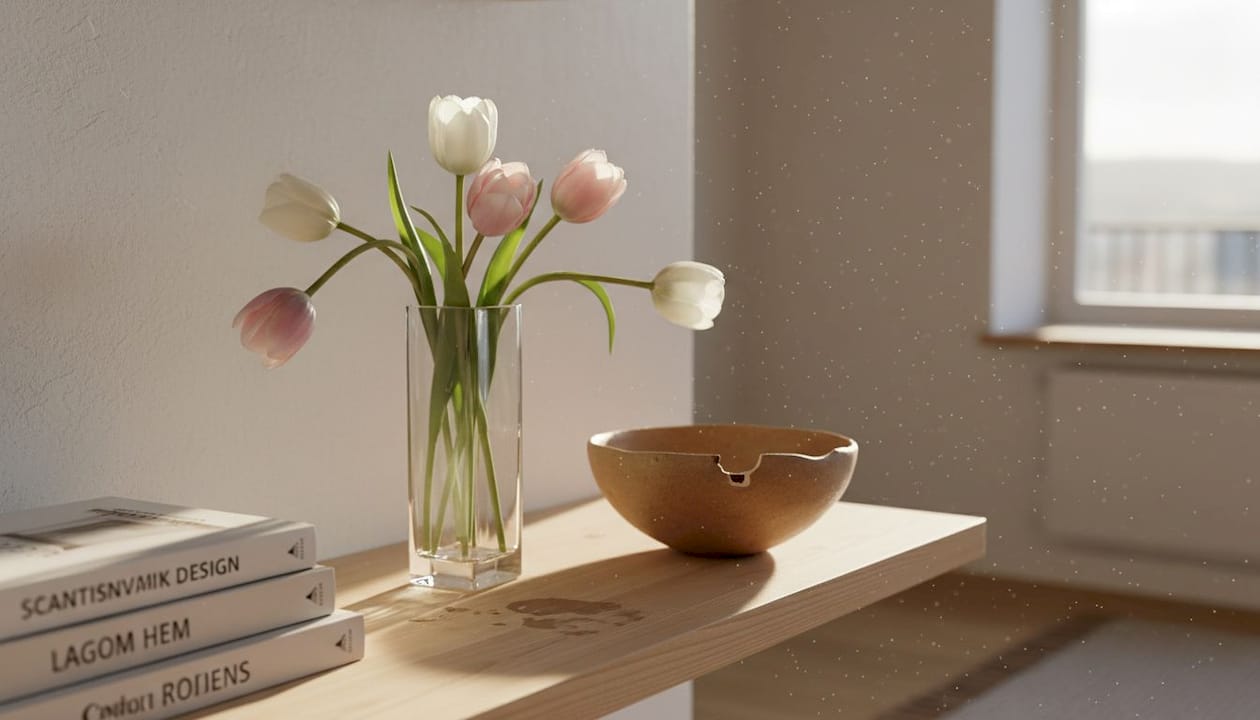
Practical properties distinguish decorative vases from functional ones. Ceramic vases' water properties vary depending on whether they are glazed internally or not. A vase without internal glaze is perfect for dried flowers and pampas grass but will leak if you fill it with water. Water-resistant vases, on the other hand, have a dense surface that keeps moisture in, making them suitable for cut flowers that need water.
Examples of vase types and their use:
- Tall cylindrical glass vases for long-stemmed flowers and modern arrangements
- Round bouquet vases in ceramic for lush bouquets and garden flowers
- Bottle vases with a narrow neck for single branches or minimalist arrangements
- Bowl-shaped vases for low, compact bouquets and table decorations
- Sculptural vases as works of art that look beautiful even without flowers
By studying different examples, you can identify which shapes, materials, and styles resonate with your personal taste and home's aesthetic. Consider how the vase will be used, whether it will rotate between different rooms or have a permanent place as a focal point.
Comparison of Popular Decorative Vases
A clear comparison helps you choose the right vase based on your specific needs. Here's an overview of popular vase types:
| Vase Type | Material | Size | Design | Maintenance | Best for |
|---|---|---|---|---|---|
| Sculptural porcelain vase | Porcelain | Medium to large | Organic shapes | Easy wipe-down | Indoors, statement piece |
| Glass cylinder vase | Glass | Varying | Minimalist | Requires regular cleaning | Cut flowers, modern homes |
| Glazed ceramic vase | Ceramic | Medium | Handmade feel | Easy, dishwasher safe | Both dried and cut flowers |
| Clay vases white finish | Clay | Small to medium | Rustic elegant | Wipe clean, not dishwasher safe | Dried plants, Scandinavian style |
| Concrete vase | Concrete | Large | Industrial | Weather resistant | Outdoors, events |
Each vase type has its advantages and limitations. Porcelain vases are elegant and durable but can be heavy and delicate if dropped. Glass vases provide visual lightness and allow you to see the stems, but require more frequent cleaning to maintain their shine. Ceramic vases offer the best balance between aesthetics and practical function, especially when glazed internally.
Advantages of different materials:
- Porcelain: Exclusive feel, withstands high temperatures, long-lasting
- Glass: Visually light, shows the entire arrangement, easy to clean
- Ceramic: Warm expression, handmade uniqueness, good heat resistance
- Clay: Natural material, breathable which can extend the life of flowers
- Concrete: Extremely durable, modern aesthetic, suitable for outdoor use
Disadvantages to be aware of:
- Porcelain: Can crack upon impact, often more expensive
- Glass: Fragile, shows water spots easily
- Ceramic: Can be porous if not glazed, varies in quality
- Clay: Requires careful handling, not always waterproof
- Concrete: Heavy, can stain light surfaces
For outdoor events, frost-resistant large vases are crucial to avoid cracks when temperatures drop. Concrete and some glazed ceramic vases handle temperature fluctuations better than thinner porcelain or unglazed clay. Size also matters; larger vases with thicker walls insulate better against cold.
Pro tip: Match the vase's weight with the bouquet's size for stability. A heavy vase is needed for tall, top-heavy arrangements, while light vases work for small, compact bouquets. Quality vases in white clay from Torrdecor perfectly combine aesthetics with functionality.
Recommendations for Different Uses
Your choice of vase should be guided by how and where it will be used. For outdoor use and events, you need frost-resistant and larger vases that can withstand weather and temperature differences. Concrete vases or thickly glazed ceramic vases work excellently for garden parties, weddings, and other outdoor arrangements where the weather can change. Larger vases also provide stability in windy conditions and accommodate generous bouquets that are visible from a distance.
For indoor environments, smaller, sculptural vases are perfect as statement pieces. A unique vase on a shelf, side table, or windowsill becomes an artistic detail that elevates the room even without flowers. These vases function as independent sculptures that express your personal style. Choose shapes and colors that complement the room's color palette and other interior details.
The type of flower and the shape of the vase must harmonize for optimal results. Tulips and other flowers with flexible stems need vases with narrow necks that provide support, while roses and lilies with stiffer stems can stand in vases with wider openings. Reduce shedding of pampas grass by choosing vases of appropriate height that support the entire stem without bending it.
Regular care significantly extends the life of the decoration. Change water every three days, cut the stems by one centimeter each time, and remove withered leaves immediately. For dried flowers and pampas grass, simply dust the vase and plants gently with a soft brush or hairdryer on low heat.
Application-specific tips:
- Dining table: Low vases that do not block the line of sight between guests
- Entrance: Large statement vases that welcome visitors
- Bedroom: Soft shapes in calm colors for a harmonious atmosphere
- Office: Minimalist vases that do not distract from work
- Events: Frost-resistant vases with a wide base for stability
By matching the vase to its specific use, you ensure both function and aesthetics. Think long-term and choose vases that can be used in multiple ways throughout the year.
Discover Sustainable and Stylish Vases at Torrdecor
Now that you understand the criteria for choosing the right decorative vases, it's time to explore concrete options. Torrdecor offers a carefully curated assortment of quality vases at Torrdecor made of white clay that combine Scandinavian design with sustainable materials. Each vase is crafted with care for both aesthetics and the environment, perfect for those who want to make conscious choices without compromising on style.

The white clay vases are excellent companions for dried bouquets, offering a complete decorative concept that requires minimal maintenance. Explore Bouquet Terra which perfectly complements the natural expression of the vases. The assortment ranges from small sculptural vases for windowsills to larger statement pieces for entrances and living rooms. All vases are designed to last for generations and are suitable for everyday decor as well as special events.
Frequently Asked Questions about Decorative Vases
What is the difference between decorative and water-resistant vases?
Decorative vases often lack internal glazing and are intended for dried plants or as sculptures, while water-resistant vases have a dense surface that keeps moisture inside for cut flowers. Read more about ceramic vases' water resistance to understand the differences.
How do I maintain cut flowers in vases for longer durability?
Cut stems diagonally every three days, change water regularly, and remove leaves below the waterline to prevent bacterial growth. Place the vase in a cool spot away from direct sunlight for best results.
Which materials are most durable for decorative vases?
Ceramic, porcelain, and clay are natural materials that last for generations when handled carefully. These materials are also recyclable and have a lower environmental impact than plastic, making them sustainable choices for conscious consumers.
How do I choose vases for outdoor events?
Choose frost-resistant materials like glazed ceramic or concrete with thick walls that can withstand temperature fluctuations. Larger vases with a wide base provide stability in windy weather and accommodate generous bouquets that are visible from a distance.
Can I use the same vase for both dried and cut flowers?
Yes, if the vase is water-resistant with internal glazing, it works for both. However, unglazed ceramic vases are best suited only for dried plants as they can leak or absorb moisture that damages the material over time.
Which vase size is best for different rooms?
Match the vase size to the room's proportions: large vases for entrances and living rooms, medium for side tables and shelves, small for windowsills and bedside tables. A good rule of thumb is for the vase to be one-third the height of the furniture it sits on.