

Choosing the right pampas grass for Swedish homes and events can feel overwhelming. With countless varieties differing in height, color, and fluffiness, you need to understand which types suit your climate and interior design needs. This guide presents concrete examples of pampas grass and sustainable alternatives, along with practical tips for easy care. You’ll learn to choose between classic Cortaderia selloana and compact varieties, and discover non-invasive ornamental grasses that thrive in Swedish gardens. Whether you’re planning home decor or event decoration, this guide provides the tools to make informed decisions.
Table of Contents
- Key Takeaways
- How to Choose the Right Pampas Grass Based on Criteria
- Popular Examples of Pampas Grass with Characteristics and Uses
- Alternatives to Pampas Grass: Sustainable and Non-Invasive Ornamental Grasses
- Comparison of Pampas Grass Varieties and Decorative Ornamental Grasses
- Explore Our Range of Dried Pampas Grass and Decorations
- Common Questions About Pampas Grass and Decorative Ornamental Grasses
Key Takeaways
| Point | Details |
|---|---|
| Variation in size and color | Different varieties vary in height, plumes, and color, which affects how they fit into different spaces. |
| Easy to care for with basic maintenance | Most pampas grasses are low-maintenance and require basic care with the right soil and sun exposure. |
| Dried offers allergy-friendly decoration | Dried pampas grass requires no watering and retains volume longer, suitable for interior design and events. |
| Non-invasive alternatives | Miscanthus and tufted hairgrass are good choices for Swedish gardens without invasive spread. |
How to Choose the Right Pampas Grass Based on Criteria
When choosing pampas grass, you must first assess your available space. A mature Cortaderia selloana reaches 250 cm in height and requires at least 120 cm in width, making it unsuitable for small gardens or balconies. Compact varieties like ‘Pumila’ only reach 100-150 cm and are perfect for limited spaces. Also, consider whether you want pampas grass as a living plant or as dried material for indoor use.
Climate adaptation is critical for success. Pampas grass requires a sunny spot and well-drained soil to prevent root rot during Swedish winters. Varieties tolerant to zone 7 survive mild winters in southern Sweden, while colder regions need winter protection or should consider alternatives like Miscanthus. Drought tolerance is a significant advantage during dry summers, and most pampas grasses can withstand periods without watering once established.
Color and plume characteristics determine the aesthetic effect. White plumes provide classic elegance and suit minimalist interiors, while pink varieties like ‘Rosea’ add softness and warmth. Consider the fluffiness and density of the plume, especially if you plan to harvest and dry them for decoration. Dense, full plumes provide better visual volume both outdoors and indoors.
Pro tip: Prune pampas grass in the spring after the last frost, not in the fall. The dry leaves of winter protect the plant from cold and provide beautiful structure in the garden. Use gloves when pruning as the leaves have sharp edges that can easily cut the skin.
Care requirements vary between living and dried pampas grass. Living plants require annual planting in the correct soil type, division every other year in the fall to maintain vitality, and removal of dead foliage. Dried pampas grass eliminates these tasks entirely and offers allergy-friendly decoration that lasts for several years without water or light requirements.
Popular Examples of Pampas Grass with Characteristics and Uses
Cortaderia selloana is the classic pampas grass variety that dominates Swedish gardens. This variety reaches 200-250 cm in height and produces large, silvery-white plumes up to 70 cm long. The plumes bloom from August to October and retain their shape through winter. The plant thrives in full sun and well-drained soil, making it ideal for exposed locations where other plants struggle. Use it as a solitary plant or background planting in large flowerbeds.
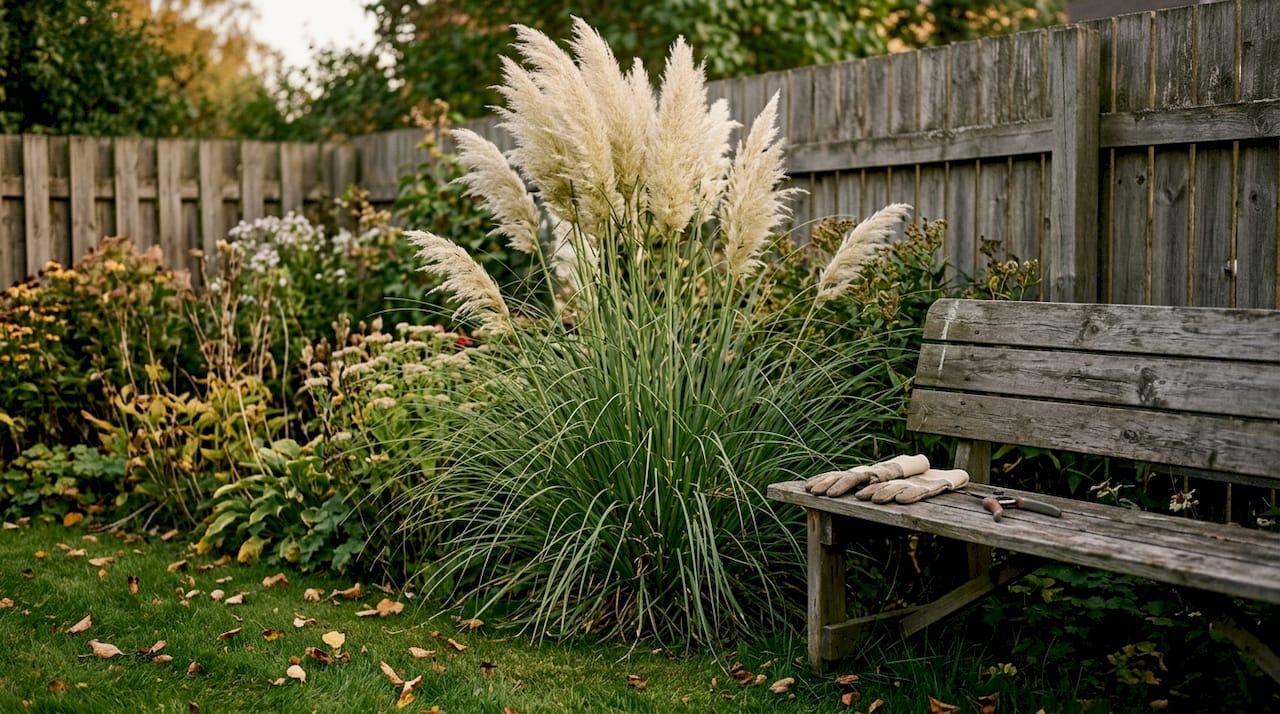
‘Pumila’ offers a compact solution for smaller spaces. With its height of 100-150 cm, it is excellent for pots on terraces or in narrow flowerbeds along house foundations. The plumes are proportionally smaller but just as fluffy as those of larger varieties. This variety blooms slightly earlier than Cortaderia selloana, often from July, providing a longer season of decorative value. Perfect for urban gardens where space is limited.
‘Sunningdale Silver’ is a premium variety with exceptionally large and dense plumes. The plant reaches 200-250 cm and produces silvery-white inflorescences that sparkle in sunlight. This variety is more winter-hardy than the species and can withstand temperatures down to minus 15 degrees with light protection. Use it as a focal point in garden design or harvest the plumes for drying as they retain volume and color exceptionally well.
| Variety | Height | Plume Color | Blooming Period | Use |
|---|---|---|---|---|
| Cortaderia selloana | 200-250 cm | Silver-white | Aug-Oct | Solitary, background |
| ‘Pumila’ | 100-150 cm | White/cream | Jul-Sep | Pots, small flowerbeds |
| ‘Sunningdale Silver’ | 200-250 cm | Silver-white | Aug-Oct | Focal point, drying |
| ‘Rosea’ | 180-220 cm | Pink | Aug-Sep | Color accent, bouquets |
‘Rosea’ adds color variation with its soft pink plumes that darken to deeper shades in autumn. The plant reaches 180-220 cm and requires the same care as white varieties. Pink pampas grass has become very popular for weddings and events, and dried pink material sells quickly during peak season. Combine with white varieties for romantic arrangements or use solo for dramatic effect.
Pro tip: Harvest pampas grass plumes when they are 70-80% open for best drying. Hang them upside down in a dark, dry space for two weeks. Spray with hairspray to minimize shedding and extend their lifespan.
Dried pampas grass from professional suppliers offers pre-treated plumes in various colors and lengths. White pampas in 60 cm length are a standard choice for vases and bouquets, while longer varieties of 100-120 cm work for floor vases and larger installations. The advantage of purchased dried material is consistent quality, minimized shedding, and guaranteed allergy-friendliness.
Alternatives to Pampas Grass: Sustainable and Non-Invasive Ornamental Grasses
Miscanthus sinensis is the primary alternative for Swedish gardens. This ornamental grass reaches 150-200 cm and produces silvery inflorescences from September to November. Miscanthus tolerates Swedish winters down to zone 4 without protection and does not spread invasively. The plant requires minimal care after establishment and tolerates both drought and temporary flooding. Use it as a hedge replacement or structural plant in perennial borders.
Tufted hairgrass (Deschampsia cespitosa) is a native Swedish grass that thrives in moist to moderately dry conditions. The plant forms dense clumps 60-100 cm high with delicate, airy inflorescences that sway elegantly in the wind. Tufted hairgrass requires almost no maintenance and is completely winter-hardy throughout Sweden. Perfect for natural garden styles or as ground cover under trees where other plants fail.
Pennisetum alopecuroides, also known as foxtail grass, offers soft, cylindrical inflorescences reminiscent of pampas grass but on a smaller scale. The plant reaches 80-120 cm and blooms from August with cream-colored to brownish plumes. Foxtail grass is winter-hardy to zone 6 and requires a sunny spot with well-drained soil. Use it in groups for maximum effect or as edge planting along pathways.
Calamagrostis (reed grass) is a robust Swedish grass with an upright growth habit and bronze-colored inflorescences. Calamagrostis x acutiflora ‘Karl Foerster’ is the most cultivated variety and reaches 150-180 cm. The plant blooms as early as June and retains its structure through winter. Reed grass does not spread and only requires pruning every third year. Ideal as a vertical element in modern garden designs.
| Alternative | Height | Winter Hardiness | Invasiveness | Care |
|---|---|---|---|---|
| Miscanthus sinensis | 150-200 cm | Zone 4 | None | Minimal |
| Tufted hairgrass | 60-100 cm | Zone 3 | None | Very low |
| Pennisetum alopecuroides | 80-120 cm | Zone 6 | None | Low |
| Calamagrostis | 150-180 cm | Zone 4 | None | Very low |
These alternatives avoid the invasiveness risks that some pampas grass species pose in warmer climates. While pampas grass is classified as potentially invasive in parts of Europe, Swedish winters are too cold for uncontrolled spread. Nevertheless, environmentally conscious gardeners often choose native or non-invasive species to minimize ecological impact. Dried pampas grass from sustainable sources offers the compromise between aesthetics and environmental responsibility.
Comparison of Pampas Grass Varieties and Decorative Ornamental Grasses
A systematic comparison helps you choose the right plant based on specific needs. Pampas grass dominates in plume size and dramatic effect, while alternatives like Miscanthus and tufted hairgrass offer better winter hardiness and lower maintenance. Empirical data shows pampas grass reaches 250 cm with fluffy plumes up to 70 cm, while Miscanthus stays at 200 cm with finer inflorescences.
| Plant | Plume Volume | Maintenance Level | Climate Tolerance | Decorative Period |
|---|---|---|---|---|
| Cortaderia selloana | Very high | Medium | Zone 7-8 | Aug-Mar |
| ‘Pumila’ | High | Medium | Zone 7-8 | Jul-Feb |
| Miscanthus sinensis | Medium | Low | Zone 4 | Sep-Apr |
| Tufted hairgrass | Low | Very low | Zone 3 | Jun-Nov |
| Pennisetum | Medium | Low | Zone 6 | Aug-Jan |
For large gardens in southern Sweden, Cortaderia selloana is the obvious choice when you want maximum visual impact. The plant creates architectural elements that define space and attract attention from afar. Combine with lower perennials for contrast or plant in groups of three for monumental effects. Remember that you need space for both height and width, as well as access for annual pruning.
Smaller gardens and urban environments benefit from ‘Pumila’ or Pennisetum. These varieties provide the aesthetic of pampas grass on a manageable scale without dominating the space. Plant them in large pots of at least 50 liters volume with drainage holes. Use quality soil mixed with sand for optimal drainage. Pots also offer the flexibility to move the plant to a sheltered location during extreme winters.
Colder regions north of Stockholm should prioritize Miscanthus or Calamagrostis. These grasses consistently survive without winter protection and require less pruning. Miscanthus ‘Morning Light’ with its white-striped leaves brightens shady corners, while Calamagrostis ‘Karl Foerster’ stands upright even under snow loads. Both species bloom reliably every year regardless of weather fluctuations.
Context-based recommendations:
- Event decoration: Choose dried pampas grass in various colors for consistent quality and allergy-friendly material
- Coastal gardens: Cortaderia selloana tolerates salt and wind better than alternatives
- Shady locations: Tufted hairgrass tolerates partial shade where pampas grass fails
- Low maintenance: Calamagrostis requires the least work over the season
- Maximum height: ‘Sunningdale Silver’ for dramatic vertical accents
Explore Our Range of Dried Pampas Grass and Decorations
Now that you understand the differences between pampas grass varieties and alternatives, you can make informed choices for your interior design. Dried pampas grass eliminates the care needs of living plants while providing the same visual effect year-round. Our range at Torrdecor includes professionally treated pampas grass in white, beige, and pink shades, available in lengths from 60 to 120 cm.
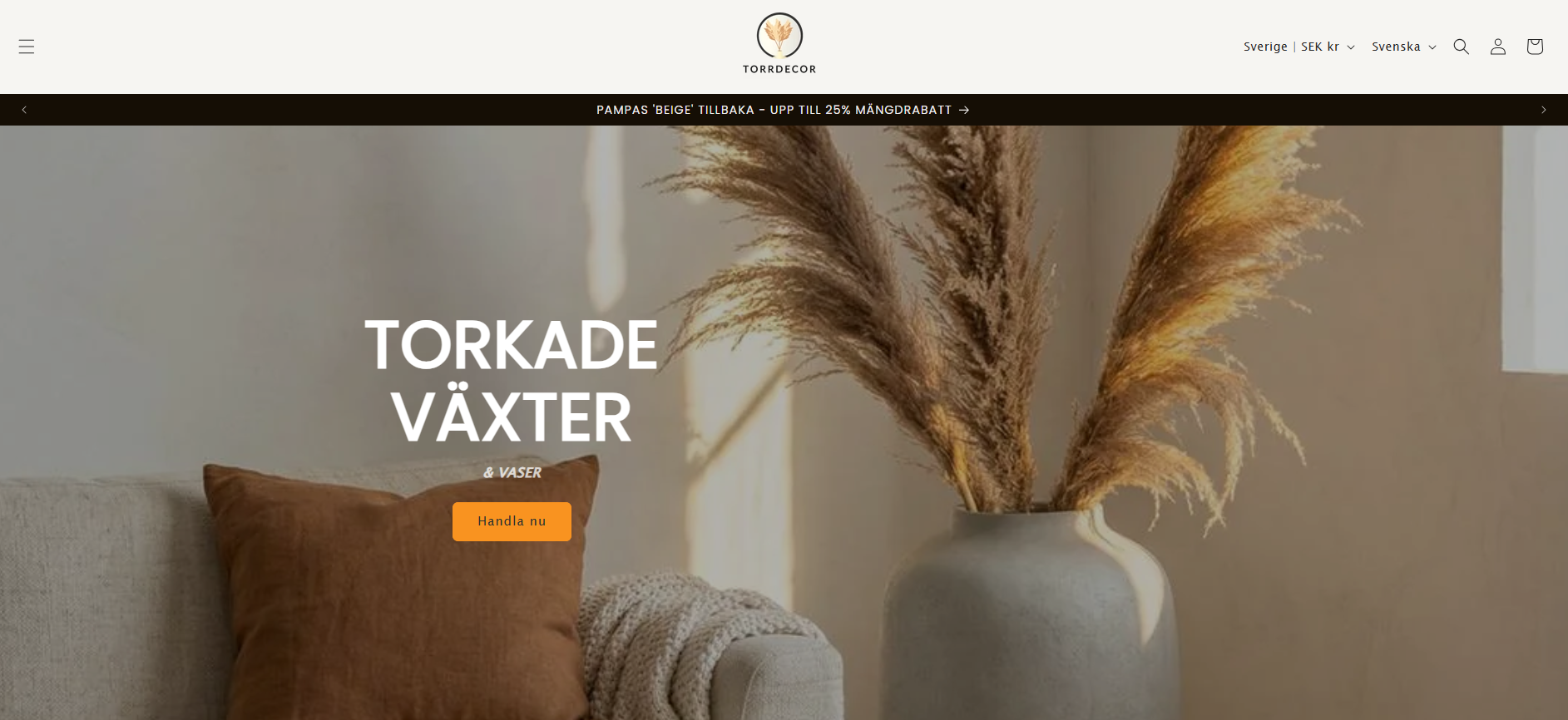
We also offer complete bouquets like Bukett Terra where pampas grass is combined with other dried plants for ready-made arrangements. Complement your pampas grass with our handmade clay vases from Portugal, designed specifically to balance tall stems and heavy plumes. All products are pre-treated to minimize shedding and last for several years with minimal handling. Perfect for homes, offices, and events where you want natural decoration without maintenance requirements.
Common Questions About Pampas Grass and Decorative Ornamental Grasses
How do I best care for pampas grass in the Swedish climate?
Plant pampas grass in full sun with well-drained soil and water regularly for the first year until roots are established. Prune dead foliage in spring after the frost and divide large plants every other year in the fall. In colder regions, cover the root area with bark or leaves during winter for extra protection.
Can pampas grass cause allergies?
Live pampas grass produces pollen that can trigger allergic reactions in sensitive individuals during blooming from August to October. Dried pampas grass from professional suppliers is pre-treated and contains minimal pollen, making it safe for allergy sufferers. Follow care instructions to further reduce shedding indoors.
Which pampas grass colors are most popular for interior design?
White and natural beige tones dominate Scandinavian interior design for their timeless elegance and versatility. Pink pampas grass has significantly increased in popularity for weddings and romantic events. Colored varieties in apricot, lavender, and grey offer modern alternatives for trend-conscious decorators.
Are there good non-invasive alternatives to pampas grass?
Miscanthus sinensis, tufted hairgrass, Pennisetum alopecuroides, and Calamagrostis are excellent non-invasive alternatives. These grasses provide a similar aesthetic effect with better winter hardiness and no spread risk. Tufted hairgrass is the most low-maintenance option for Swedish conditions and thrives in various soil types.
How do you fluff dried pampas grass after shipping?
Carefully remove the pampas grass from its packaging and gently shake it outdoors to loosen compressed plumes. Use a hairdryer on low heat and blow from the bottom up while gently combing with your fingers. Hang the pampas grass upside down for 24 hours to allow gravity to help restore its shape. Avoid rough handling that can cause shedding.
0 comments